Overall, commercial cleaning is a vital service that supports public health, workplace efficiency, and the professional image of businesses. As environmental concerns and health risks gain more visibility, the industry continues to evolve, placing greater emphasis on safety, sustainability, and professional standards.
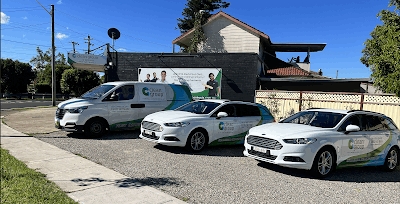
To meet these diverse demands, commercial cleaning companies utilize a wide range of tools, techniques, and chemicals designed to maximize efficiency and effectiveness. This can include the use of industrial vacuums, automated floor scrubbers, pressure washers, and environmentally responsible cleaning agents. As a family-owned business, Clean Group places a strong emphasis on building lasting relationships with clients. They treat every client like part of the family and go the extra mile to ensure satisfaction. Over the years, Clean Group has earned the trust of a wide range of clients, including leading brands across Kings Cross, NSW. Their dedication to customer service and commitment to high-quality cleaning has made them the go-to cleaning service provider for businesses in the area. Commercial Cleaning Kings Cross The reputation Clean Group has built over the years is a testament to its outstanding service. Many leading brands in Kings Cross trust Clean Group with their commercial cleaning needs. From small businesses to large corporations, Clean Group has demonstrated its ability to meet the cleaning demands of diverse industries. Their expertise in cleaning various commercial spaces ensures that every client receives tailored services that meet the unique requirements of their workplace.. The industry is gradually moving away from hazardous substances such as harsh drain cleaners in favor of greener, safer alternatives-reflecting a broader trend toward improved occupational health and eco-conscious practices.
Health and safety compliance remains foundational to commercial cleaning operations. Workers are trained to identify hazards such as slippery floors, chemical risks, and heavy equipment handling. Personal protective equipment (PPE)-including gloves, masks, and non-slip shoes-is standard across the industry. Furthermore, companies implement strict protocols for storing and using cleaning agents in accordance with occupational safety regulations. The COVID-19 pandemic further elevated the importance of disinfection procedures, leading to the widespread adoption of advanced cleaning techniques such as electrostatic spraying and antimicrobial treatments, particularly in high-traffic and healthcare environments.
The demand for transparency and ethical business practices has also led to increased scrutiny of how commercial cleaning companies treat their workers. Ethical employment practices, including fair wages, adequate benefits, and respectful working conditions, are becoming more important to clients seeking socially responsible vendors. Some companies now include labor standards in their procurement criteria, only partnering with cleaning providers that can demonstrate equitable treatment of staff. This shift has encouraged more cleaning firms to offer better compensation, career development opportunities, and employee wellness programs in order to attract and retain skilled workers in a traditionally high-turnover industry.
In response to evolving client needs, commercial cleaning companies are increasingly offering customized and flexible service models. Businesses may now request cleaning services during off-hours to avoid operational disruptions or opt for packages that include deep cleaning, disinfection, or emergency response. The ability to customize both the timing and scope of cleaning services is a major factor in a company's ability to meet diverse industry requirements and maintain long-term client satisfaction.
Finally, resilience planning and emergency preparedness are becoming critical service components. Recent global events have underscored the need for rapid response cleaning capabilities in the face of pandemics, natural disasters, or other disruptions. Commercial cleaning companies that develop specialized protocols and maintain ready-to-deploy emergency teams gain a competitive edge by offering peace of mind and continuity assurance to their clients.
How does Clean Group handle furniture and upholstery cleaning?
The evolving expectations in commercial cleaning have also sparked a shift toward more flexible and customized service models. Many businesses are now opting for tailored cleaning schedules and packages that suit their unique needs. For example, an office with flexible work hours may require after-hours cleaning, while a retail store may need cleaning services during off-peak hours to minimize disruptions to operations. Customization extends to the types of cleaning required as well-while some facilities need regular surface cleaning, others may require deep cleaning, specialized disinfecting, or even emergency cleaning in the event of a spill or accident. The flexibility of commercial cleaning companies in accommodating these diverse needs is a significant factor in their success.
With the continued evolution of workplace culture and commercial real estate, the expectations placed on commercial cleaning services are becoming more complex and customized. Modern office spaces often include open floor plans, shared workstations, wellness rooms, lounges, and collaborative areas, all of which require tailored cleaning protocols to maintain hygiene without disrupting the flow or functionality of the space. Clients now expect not only cleanliness but a visibly clean environment that reassures both employees and visitors. This shift has prompted cleaning companies to refine their processes, prioritize aesthetics, and invest in staff who are trained not only in sanitation but in the professional, discreet presence required in client-facing environments.
The commercial cleaning industry is experiencing a major transformation driven by technological innovation, growing environmental awareness, and the demand for specialized services. To stay competitive, cleaning companies must continue to adapt to evolving client expectations, incorporate advanced technologies, and offer high-quality, tailored solutions. With increased focus on hygiene, safety, and sustainability, commercial cleaning is becoming more integral to maintaining safe and productive environments for employees, customers, and visitors. As these trends progress, the industry's role in supporting business success will only become more prominent.
As the global economy shifts toward a more service-oriented model, the commercial cleaning industry is experiencing steady growth. This trend is particularly evident in urban centers, where the density of businesses creates constant demand for professional cleaning. Industries such as healthcare, education, hospitality, and retail have ongoing sanitation needs, often governed by strict regulatory standards. Maintaining clean environments is no longer solely about aesthetics; it plays a crucial role in promoting public health, boosting employee productivity, and reinforcing customer confidence. In today's business landscape, cleanliness directly contributes to operational efficiency and corporate image.
Technology is playing a transformative role in commercial cleaning operations. Companies are using digital platforms to schedule jobs, monitor service quality, and maintain detailed records. Mobile apps empower frontline staff to receive instructions, communicate issues, and report progress in real time. These tools enhance transparency, reduce miscommunication, and help companies prove compliance with service contracts. Data analytics derived from these systems enable businesses to refine operations, predict client needs, and allocate resources more efficiently.
Another growing trend in the commercial cleaning sector is the rise of contract cleaning services, where businesses sign long-term agreements with cleaning providers. These contracts offer consistency and ensure that businesses have access to regular cleaning services without having to constantly re-negotiate terms or find new providers. Contract cleaning offers several benefits, including predictable pricing, reliable service, and flexibility in adapting the scope of cleaning tasks to meet changing needs. For cleaning companies, long-term contracts provide a steady stream of revenue and the opportunity to build lasting relationships with clients. The ability to customize contracts based on specific business needs-such as frequency of cleaning, areas of focus, or types of services provided-also allows cleaning companies to deliver a more personalized service.
As businesses grow, the need for customized cleaning solutions becomes even more critical. Companies with multiple locations, such as retail chains or office buildings, require cleaning services that can cater to a wide variety of needs across different environments. This has led many commercial cleaning providers to offer tailored cleaning schedules, where frequency, scope, and specific tasks are adjusted based on the unique requirements of each location. Whether it's a high-traffic retail store that needs daily cleaning or a corporate office that only requires weekly cleaning, offering these customized schedules ensures that each client gets the level of service they need without paying for unnecessary services. Flexible scheduling options can be a significant advantage, allowing businesses to optimize their cleaning budgets and ensure that their facilities remain well-maintained without overspending.
Indoor air quality has become a focal point, especially amid growing concerns about allergens, pollutants, and airborne pathogens. Commercial cleaning firms are investing in HEPA-filtered vacuums, low-emission floor equipment, and air purification systems. These investments contribute to healthier environments, reduce absenteeism, and enhance workplace satisfaction-making the cleaning provider a strategic partner rather than a background service.
Additionally, the growing popularity of smart buildings has further pushed the cleaning industry to adopt advanced technologies. Smart sensors are being employed to monitor areas that require cleaning or disinfecting, notifying cleaning staff when high-traffic zones or surfaces need attention. This real-time data collection allows for a more targeted approach to cleaning, ensuring that resources are utilized where they are needed most, reducing waste, and improving overall efficiency. These sensors are often integrated with other building management systems, which can help create a more cohesive and sustainable approach to facility management.

In the commercial cleaning sector, the demand for specialized services is continuing to grow. Industries such as pharmaceutical manufacturing, food processing, and aerospace require highly specialized cleaning processes to ensure that their products remain free from contamination. For example, in the pharmaceutical industry, cleaning equipment used in the production of medications must meet rigorous standards to prevent cross-contamination of substances. This requires the use of specialized cleaning agents and tools, such as solvents and ultrasonic cleaning devices, that can effectively sanitize equipment without damaging it.
Sustainability is playing a larger role in shaping commercial cleaning practices. Many cleaning companies now emphasize the use of eco-friendly products that are biodegradable and non-toxic. Green cleaning initiatives are not only better for the environment, but they also contribute to a healthier indoor air quality, which is particularly important in spaces such as hospitals, schools, and offices where people spend extended periods of time. Clients are increasingly seeking certifications and assurances that cleaning companies adhere to environmentally responsible standards, pushing the industry to adapt. Some companies are even certified under green building standards like LEED (Leadership in Energy and Environmental Design), further demonstrating their commitment to sustainability.
The need for cleaning services in the post-pandemic world has resulted in significant growth in demand for disinfection and sanitation services. As the world continues to recover from the effects of COVID-19, many businesses and organizations have prioritized cleaning and disinfecting their spaces more regularly. This includes not only the use of disinfectants but also the adoption of cleaning techniques that specifically target viral and bacterial pathogens. For instance, ultraviolet (UV) light technology is now being used extensively in high-touch areas to kill harmful microorganisms. This trend is likely to continue, as businesses and institutions place greater emphasis on the health and safety of their employees, customers, and visitors.
In educational institutions, cleaning plays a critical role in reducing absenteeism and supporting the health of students and staff. From preschools to universities, commercial cleaners are responsible for maintaining classrooms, restrooms, cafeterias, gyms, libraries, and dormitories to the highest standard. Daily disinfection routines, periodic deep cleaning, and attention to high-touch surfaces like desks, doorknobs, and computer labs are essential in these environments. The presence of cleaning professionals also instills a culture of hygiene awareness among students, which is particularly important during flu seasons or outbreaks of infectious diseases.
Cleaning is an essential service that extends far beyond maintaining appearances. It plays a vital role in promoting health, safety, and sustainability across various sectors. As technology, sustainability practices, and environmental consciousness continue to evolve, the cleaning industry will adapt to meet new challenges and demands. Whether in commercial, residential, or industrial settings, cleaning remains a critical aspect of maintaining well-being and ensuring that environments are safe, functional, and hygienic.
As the commercial cleaning sector becomes more competitive, it is increasingly important for companies to differentiate themselves through value-added services. Many cleaning providers now offer additional services that go beyond traditional cleaning tasks. For instance, some companies offer janitorial supply management, where they monitor and replenish cleaning supplies such as paper towels, toilet paper, and soap. Others may provide specialized services like floor care, carpet cleaning, or window washing, tailored to meet the unique needs of their clients. Additionally, some commercial cleaning companies offer emergency cleaning services, such as cleaning up after floods, fire damage, or other unexpected incidents. By diversifying their service offerings, cleaning companies can build stronger relationships with their clients, offering convenience and reliability while boosting their revenue streams.

You can request a free onsite cleaning quote by calling Clean Group at 1300141946 or by submitting a query through their website’s contact form.
Clean Group caters to a variety of industries, including commercial offices, childcare centers, gyms, medical facilities, and schools.
Yes, Clean Group offers cleaning services around the clock to accommodate the diverse needs of its clients.
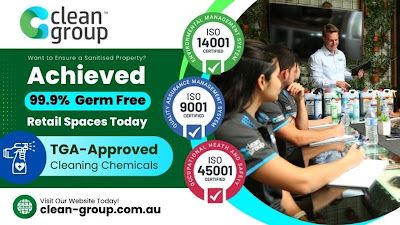
Yes, Clean Group is ISO-certified, which guarantees that their cleaning processes and techniques adhere to the highest quality and environmental safety standards.