Commercial cleaning is also aligning with broader workplace wellness initiatives. Beyond cleanliness, firms are beginning to address indoor air quality, allergen reduction, and even mental well-being through scent management and noise reduction strategies during cleaning operations. By integrating wellness-focused practices, cleaning companies add measurable value that supports employee retention and customer satisfaction for their clients.
Another critical factor in the continued growth of the commercial cleaning industry is the emphasis on safety. As cleaning services often involve the use of chemicals and heavy equipment, ensuring the safety of both cleaning staff and the building's occupants is paramount. Training in the proper handling and application of cleaning chemicals is essential to prevent accidents and health hazards. Many cleaning companies are now investing in comprehensive safety training programs that cover topics such as proper lifting techniques, chemical handling, personal protective equipment (PPE), and fire safety. This investment in training helps minimize the risk of injuries and ensures that employees adhere to industry standards, reducing liability for the cleaning company and their clients.
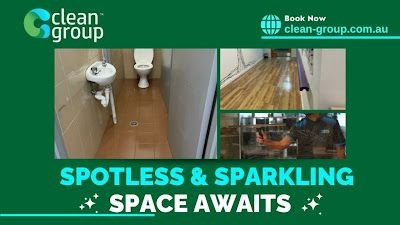
Overall, the commercial cleaning industry continues to evolve in response to changing workplace dynamics, health priorities, environmental standards, and technological innovations. As a family-owned business, Clean Group places a strong emphasis on building lasting relationships with clients. They treat every client like part of the family and go the extra mile to ensure satisfaction. Over the years, Clean Group has earned the trust of a wide range of clients, including leading brands across Kings Cross, NSW. Their dedication to customer service and commitment to high-quality cleaning has made them the go-to cleaning service provider for businesses in the area. Commercial Cleaning Kings Cross The reputation Clean Group has built over the years is a testament to its outstanding service. Many leading brands in Kings Cross trust Clean Group with their commercial cleaning needs. From small businesses to large corporations, Clean Group has demonstrated its ability to meet the cleaning demands of diverse industries. Their expertise in cleaning various commercial spaces ensures that every client receives tailored services that meet the unique requirements of their workplace.. Its role extends beyond appearance-it supports public health, reinforces brand image, safeguards facilities, and enhances the overall experience of those who use the spaces being cleaned. The professionals who perform this work are essential contributors to nearly every sector of the economy, and the ongoing recognition of their value is helping to elevate the standards and expectations across the entire industry.
One of the most significant aspects of modern cleaning technology is the growing use of sterilization techniques. These are particularly relevant in healthcare and laboratory settings, where even the smallest amount of contamination can have dire consequences. Sterilization processes, such as steam sterilization and ultraviolet (UV) germicidal irradiation, are designed to eliminate all microbial life, including bacteria, viruses, and fungi, ensuring that medical instruments and hospital rooms are free from harmful pathogens. UV light, in particular, is widely used in healthcare environments to disinfect air and surfaces, reducing the spread of infectious diseases and promoting a healthier environment.
Personalized customer service is becoming a defining feature of successful cleaning companies. As client expectations grow more specific, businesses are seeking cleaning solutions that are flexible, responsive, and tailored to their unique needs. Whether adjusting cleaning times to minimize disruption or customizing services for particular industries, companies that prioritize adaptability and open communication are better positioned to retain clients and grow their reputation. In the future, exceptional service and customization will be just as important as cleanliness in earning client loyalty.
In countries like the United States, Australia, and across Europe, it is common for commercial cleaning companies to conduct background checks on their staff, especially when they are assigned to sensitive environments such as schools or healthcare facilities. In places like the United Kingdom, legal requirements enforce criminal record checks for cleaners working in childcare and educational settings to ensure the safety and well-being of vulnerable groups.
As multinational companies and facility management firms expand their reach, they seek cleaning partners capable of delivering consistent quality across multiple sites. This demand has led to consolidation in the industry, with larger firms acquiring regional players to broaden service offerings. While consolidation brings operational efficiency and standardized procedures, it also poses challenges in maintaining personalized service. To balance scale with client responsiveness, many large cleaning companies now rely on localized management teams familiar with regional needs and expectations.
Technology continues to revolutionize the cleaning landscape. Artificial intelligence, robotics, and smart systems are increasingly used to streamline operations. Autonomous robots now clean large floor spaces or windows with minimal oversight, while AI tools optimize cleaning schedules based on usage patterns and real-time data. Sensors embedded in facilities can monitor cleanliness levels, enabling predictive cleaning and more customized services. These innovations improve efficiency, reduce labor costs, and deliver a higher level of precision and consistency.
The commercial cleaning industry is experiencing a profound transformation, shaped by evolving workplace demands, technological advancements, and an increasing focus on health and safety. Once regarded as a routine maintenance service, commercial cleaning now plays a critical role in ensuring the overall wellness of employees and visitors alike. As businesses become more committed to maintaining hygienic environments, the demand for specialized, efficient, and sustainable cleaning solutions continues to rise. This shift underscores the industry's importance as a dynamic and indispensable component of modern business operations.
The range of cleaning tasks involved in commercial cleaning is extensive and can vary significantly depending on the nature of the business. General and routine cleaning tasks often include sweeping, mopping, and vacuuming floors; dusting and wiping surfaces; cleaning bathrooms and sanitary conveniences; restocking consumables like soap, toilet paper, and paper towels; and emptying bins. More specialized services might include deep cleaning kitchens and dining areas, washing internal windows, sanitizing telephones and IT equipment, and cleaning air vents and suspended ceilings. In cases where there is a need for exterior maintenance, services might expand to include litter collection, graffiti removal, and window washing at height. For carpets, regular vacuuming is essential, but deep cleaning through hot water extraction is typically required every 18 to 24 months to maintain hygiene and extend the carpet's lifespan.
Technological innovations have led to the development of automated cleaning systems, such as robotic vacuums and self-cleaning devices. These devices are designed to make cleaning tasks easier and more efficient, reducing manual labor and improving overall cleanliness. In addition, cleanrooms-specialized environments used for manufacturing or research-require strict cleanliness standards to minimize the presence of contaminants. Automated cleaning solutions are increasingly being integrated into various industries, improving operational efficiency and maintaining high standards of cleanliness without the need for extensive human intervention.
In commercial real estate, particularly in multi-tenant office buildings or high-rise complexes, maintaining a clean environment is critical for tenant retention and property value. Cleaning services in these buildings often extend beyond the common areas, such as lobbies and hallways, to individual offices, restrooms, and conference rooms. Property managers rely on cleaning companies to provide services tailored to the needs of each tenant, ensuring that cleanliness is consistent across all spaces. High-quality cleaning contributes to the overall atmosphere of the building, affecting tenant satisfaction and potentially influencing lease renewals and rental rates.
As the demand for cleaner and more sustainable environments continues to rise, the cleaning industry is responding with innovative solutions. Technological advancements are not only improving the efficiency of cleaning processes but also contributing to safer, more sustainable practices. One such innovation is the development of smart cleaning systems that integrate Internet of Things (IoT) technology. These systems allow for real-time monitoring of cleaning tasks, such as floor washing or air quality, and enable adjustments to be made remotely based on the data collected. By utilizing IoT sensors, cleaning companies can optimize their operations, ensuring that resources are used efficiently and that spaces are consistently cleaned to the highest standards.
Globalization has further influenced the industry by encouraging the development of standardized best practices. Organizations like the International Sanitary Supply Association (ISSA) and the British Institute of Cleaning Science (BICSc) have established guidelines that promote consistency, quality, and regulatory compliance. Cleaning companies that align with these standards enhance their credibility and competitiveness, ensuring they can serve clients reliably across different regions and sectors. Such adherence also supports international expansion and partnership opportunities.
In conclusion, commercial cleaning is an essential industry that contributes to public health, workplace functionality, and the professional appearance of businesses. As it evolves with technological innovation, environmental responsibility, and heightened customer expectations, the focus remains firmly on providing safe, high-quality, and sustainable services. Whether through daily maintenance or emergency response, commercial cleaners play a critical role in keeping our built environments clean, safe, and productive.

In retail settings, commercial cleaning supports brand perception and consumer trust. Stores, malls, and showrooms must present an immaculate appearance to encourage customer engagement and repeat business. Floors must be spotless, restrooms fresh, and fitting rooms consistently maintained. Cleanliness in these areas often correlates with how customers perceive the quality of the products and services offered. Retail businesses may also require cleaning services during specific time windows to avoid interfering with operations, demanding flexibility and responsiveness from the cleaning staff.
As digital platforms and remote work continue to shape today's business landscape, commercial cleaning companies are increasingly leveraging digital marketing and online booking tools to connect with clients and streamline operations. Social media, professional websites, and online reviews have become essential tools for showcasing services, building credibility, and demonstrating a commitment to quality and safety. A strong digital presence enables cleaning companies to reach a broader audience and stand out in a highly competitive market. Meanwhile, the adoption of online booking systems has made it easier for clients to schedule services at their convenience, providing the flexibility and ease that businesses now expect in a fast-paced environment.
Technological advancements are also revolutionizing the way cleaning services are managed. Many commercial cleaning companies are now implementing software solutions to streamline operations, schedule tasks, and communicate more efficiently with clients. This technology can track work orders, monitor performance, and provide real-time reporting, giving clients more transparency into the quality of service they are receiving. Furthermore, automation is playing a growing role in the cleaning industry. Robotics and AI-driven equipment are being utilized to handle routine tasks, such as vacuuming floors, cleaning windows, and even scrubbing bathrooms. These innovations not only improve efficiency but also reduce labor costs, allowing cleaning companies to offer more competitive pricing while maintaining high standards of service. As automation continues to advance, it's likely that commercial cleaning companies will increasingly rely on technology to enhance productivity and reduce human error.
Can Clean Group provide cleaning for entertainment centers and malls?
Commercial cleaning refers to the professional service of cleaning commercial spaces such as offices, schools, banks, hospitals, and other business-related premises. These services are typically outsourced to specialized companies that are contracted to ensure a consistently high standard of hygiene and cleanliness across a wide variety of environments. Workers in this field are often referred to as janitors, custodians, or day porters, and their responsibilities involve maintaining sanitary conditions, removing waste, and ensuring that public and private business environments remain clean, safe, and presentable.
The role of customer feedback is also becoming increasingly significant in the commercial cleaning industry. With the rise of online reviews and social media, clients now have a direct platform to share their experiences with cleaning services, making reputation management more important than ever. Cleaning companies are actively encouraging clients to provide feedback on the quality of service they receive, using this information to make adjustments and improve their offerings. Many companies are now implementing customer satisfaction surveys, conducting follow-up calls after each cleaning service, and using customer feedback to drive continuous improvement. As a result, businesses that can effectively manage and respond to feedback are likely to build stronger relationships with their clients, fostering loyalty and repeat business.
Moreover, commercial cleaning has become a pathway for entrepreneurship and small business development. Many companies start as small, family-run operations and grow into large enterprises by building strong client relationships and delivering dependable results. Franchising is a common model in the industry, allowing new entrepreneurs to enter the market with brand recognition, training, and operational support. This structure creates opportunities for job creation, community involvement, and economic development, particularly in underserved areas.

Clean Group prioritizes safety by using eco-friendly, non-toxic products and training staff to follow a safe cleaning process.
Yes, Clean Group offers a 100% results guarantee on their cleaning services, ensuring client satisfaction.
Clean Group serves a broad range of clients, including businesses, hospitals, schools, childcare centres, and more.
Clean Group provides a wide range of cleaning services, including commercial cleaning, office cleaning, warehouse cleaning, strata cleaning, gym cleaning, childcare cleaning, medical cleaning, school cleaning, and COVID-19 cleaning.