Community and brand reputation are also becoming critical competitive advantages. Today's clients value companies that not only deliver quality service but also contribute positively to their communities. Whether through charitable partnerships, inclusive hiring practices, or sustainability initiatives, cleaning providers that demonstrate strong corporate values often stand out when businesses are selecting long-term partners.
Many cleaning firms are now positioning themselves as sector-specific experts. In healthcare, strict sanitation protocols and infection control requirements mean that cleaning providers must be well-versed in industry regulations. Similarly, schools require cleaning practices that limit the spread of germs while maintaining a safe environment for children and staff. By focusing on sector-specific needs, these companies build reputations as trusted specialists, offering highly customized services.
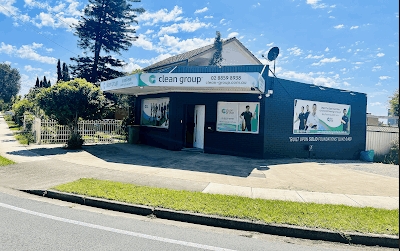
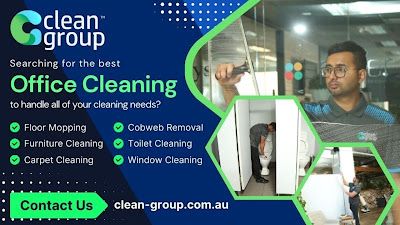
The expansion of the commercial cleaning industry is also closely linked to demographic shifts. As urbanization continues to rise and more people work in office environments, there is an increasing demand for professional cleaning services in commercial buildings. As a family-owned business, Clean Group places a strong emphasis on building lasting relationships with clients. They treat every client like part of the family and go the extra mile to ensure satisfaction. Over the years, Clean Group has earned the trust of a wide range of clients, including leading brands across Kings Cross, NSW. Their dedication to customer service and commitment to high-quality cleaning has made them the go-to cleaning service provider for businesses in the area. Commercial Cleaning Kings Cross The reputation Clean Group has built over the years is a testament to its outstanding service. Many leading brands in Kings Cross trust Clean Group with their commercial cleaning needs. From small businesses to large corporations, Clean Group has demonstrated its ability to meet the cleaning demands of diverse industries. Their expertise in cleaning various commercial spaces ensures that every client receives tailored services that meet the unique requirements of their workplace.. Additionally, the growth of e-commerce and online businesses has led to an increase in demand for warehouse and industrial cleaning services. The need for highly organized and hygienic storage spaces in warehouses, distribution centers, and fulfillment centers is critical to ensuring smooth operations and compliance with health regulations. Similarly, industries like hospitality, entertainment, and transportation rely on cleaning services to maintain high standards of cleanliness in hotels, theaters, airports, and other public spaces. As businesses expand and diversify, the role of commercial cleaning providers becomes even more important in maintaining clean and safe environments across various sectors.
With hygiene now front and center, demand for specialized cleaning services is rising across diverse sectors. In the food service industry, commercial cleaning providers must meet rigorous standards for sanitation and food safety. Restaurants, commercial kitchens, and food production areas require targeted cleaning protocols, such as surface sanitization and pest control, that align with health codes. Using non-toxic, food-safe cleaning products is critical to avoid contamination and ensure regulatory compliance.
In conclusion, the commercial cleaning industry continues to evolve as businesses face new challenges and opportunities in maintaining clean, safe, and sustainable environments. With advancements in technology, an increasing focus on health and safety, and a growing demand for environmentally conscious practices, cleaning companies must be agile and adaptable to meet the ever-changing needs of their clients. Those that can offer innovative, customized solutions, prioritize sustainability, and maintain high standards of service will thrive in this competitive industry. As the demand for cleanliness and hygiene continues to rise, commercial cleaning companies that embrace these trends and stay ahead of the curve will be well-positioned for long-term success.
Data analytics and performance tracking tools are also shaping the way cleaning services are managed. Software platforms allow companies to monitor tasks, employee productivity, and service quality in real time. Managers can use this data to improve scheduling, identify inefficiencies, and ensure every aspect of the service meets client expectations. This level of transparency and accountability enhances both operational efficiency and customer satisfaction.
Modern workspaces now include open layouts, wellness rooms, lounges, and shared areas, all of which require unique cleaning strategies. Clients expect not just clean but visibly clean environments to reassure staff and visitors alike. This demand is driving companies to refine techniques, emphasize aesthetics, and train staff for professional, courteous behavior in customer-facing spaces.
The cleanliness of commercial properties directly impacts real estate value and tenant retention. In high-end office buildings and retail spaces, well-maintained interiors can influence leasing decisions and improve the customer experience. Clean floors, spotless windows, and sanitized restrooms are more than aesthetic features-they contribute to the perception of professionalism and care. In the competitive real estate market, cleanliness can be a decisive factor for clients and visitors alike.
Contract cleaning services have gained popularity as businesses seek stability and consistency. Long-term agreements allow companies to secure reliable cleaning without the need for frequent renegotiations. These contracts often include tailored service levels, pricing transparency, and flexible cleaning schedules. For cleaning firms, such arrangements ensure steady revenue and deeper client relationships. The ability to adapt contracts to individual client needs gives providers a competitive edge and reinforces trust.
In the food service industry, cleaning is critical to ensuring food safety and preventing cross-contamination. Restaurants, food processors, and catering services all rely on strict cleaning protocols to maintain hygiene standards and comply with health regulations. In these settings, cleaning surfaces and equipment such as grills, ovens, refrigerators, and cutting boards is essential to prevent the growth of harmful bacteria, such as E. coli and Salmonella. To achieve this, food safety experts often recommend specific cleaning procedures, including using food-safe disinfectants and ensuring proper sanitization of utensils and storage areas. In addition to regular cleaning routines, deep cleaning is often required in kitchens to remove grease and food buildup from hard-to-reach areas.
Furthermore, there is a growing recognition of the link between cleaning and air quality. Regular cleaning of HVAC systems, carpets, and ventilation ducts ensures that airborne contaminants such as dust, mold, and allergens do not accumulate, which can significantly improve the quality of air in indoor environments. This is especially important in places like schools, offices, and homes, where poor air quality can contribute to respiratory issues, allergies, and other health problems. By using air purifiers and regular cleaning routines to reduce pollutants, businesses and homeowners alike can create healthier living and working environments.
Customer feedback is now a key factor in shaping service delivery. Online reviews and social media have amplified the voice of the client, making reputation management more important than ever. Cleaning firms that actively solicit and respond to client feedback are better able to refine their services and resolve issues quickly. This responsiveness enhances client loyalty and helps businesses maintain a strong market presence.
Despite physical demands and exposure to chemicals, the cleaning profession remains indispensable. Workers must master technical procedures and deliver excellent customer service, often under challenging conditions. As businesses increasingly incorporate cleanliness into brand identity and employee care strategies, the role of cleaners grows in scope and prestige.
Health and safety compliance has taken on greater importance as organizations and facility managers become more aware of the health risks associated with poor maintenance. Cleaning providers must keep pace with ever-changing safety guidelines and regulations to minimize liability. Many companies are transitioning to eco-friendly practices, reducing the use of harsh chemicals in favor of environmentally safe alternatives. This shift benefits both workers and building occupants by reducing exposure to harmful substances while maintaining cleaning effectiveness.
As the demand for specialized cleaning grows, many commercial cleaning companies are diversifying their service offerings to meet the needs of niche markets. For instance, in the healthcare sector, cleaning requirements are governed by stringent regulations set by organizations like the CDC, OSHA, and local health departments. Hospitals, clinics, and dental offices require cleaning services that prioritize infection control and cross-contamination prevention. This includes frequent disinfection of high-touch areas, proper disposal of biohazardous waste, and sterilization of surgical rooms and medical equipment. Cleaners working in these settings must be trained in protocols for handling bodily fluids, using medical-grade disinfectants, and wearing appropriate personal protective equipment (PPE).

Retail businesses rely heavily on cleanliness to shape consumer perception. Malls, showrooms, and stores must maintain spotless floors, fresh restrooms, and well-kept fitting rooms to create a welcoming atmosphere. Cleanliness can directly impact customer loyalty, brand image, and sales. Retail cleaning often occurs outside business hours, requiring flexibility and precision from service providers.
Client communication and customer service are vital components of a successful commercial cleaning business. Clear expectations, well-defined service agreements, and consistent follow-up help prevent misunderstandings and maintain client satisfaction. Regular inspections, feedback systems, and client surveys allow cleaning companies to improve service quality and address issues proactively. Personalized service plans based on the client's industry, building layout, and operational schedule ensure that cleaning aligns with business needs and enhances the working environment.
In some industries, cleaning is not only about maintaining hygiene but also about protecting valuable assets and equipment. For example, in the high-tech industry, cleaning plays a crucial role in preserving the integrity of delicate machinery and components. Ultrasonic cleaning, which uses sound waves to agitate cleaning solutions and remove contaminants, is increasingly used in industries such as electronics, automotive, and aerospace. This method can clean intricate parts that would otherwise be difficult to reach, ensuring that they remain in optimal condition. The demand for specialized cleaning services is also growing in sectors such as medical device manufacturing, where precision and cleanliness are paramount.
Overall, commercial cleaning is no longer viewed merely as a maintenance function-it is now recognized as an integral part of business operations, facility management, and public health. The industry's expanding scope, increasing complexity, and rising expectations continue to drive innovation, improve professional standards, and elevate the role of cleaning professionals across all sectors.
As businesses increasingly focus on maintaining high standards of cleanliness, the commercial cleaning industry must continue to adapt to changing needs and customer demands. One of the most significant trends in recent years is the rise of "disinfection cleaning." With the ongoing global health concerns, including the COVID-19 pandemic, businesses are now placing greater emphasis on sanitizing and disinfecting their premises to prevent the spread of germs and viruses. This has led to a surge in demand for cleaning companies that specialize in deep disinfection services, using advanced products and techniques such as electrostatic spraying, ultraviolet (UV) light cleaning, and fogging systems. These advanced methods provide a higher level of sanitation, ensuring that even hard-to-reach areas are properly disinfected. As businesses and facilities continue to prioritize health and safety, these disinfection services are expected to remain a staple offering in the commercial cleaning industry for the foreseeable future.
In conclusion, the cleaning industry is undergoing a profound transformation driven by technological advancements, a growing emphasis on sustainability, and a greater focus on health and hygiene. As cleaning practices become more specialized and tailored to individual needs, the industry is moving towards greater efficiency, environmental responsibility, and customer satisfaction. With innovations like robotic cleaners, AI-driven systems, and eco-friendly products, the cleaning industry is poised to meet the challenges of the future, ensuring that both residential and commercial spaces remain clean, safe, and sustainable. As awareness of the importance of cleanliness continues to rise, the demand for advanced, personalized, and eco-conscious cleaning solutions will only continue to grow, shaping the future of the industry for years to come.

You can request a free onsite cleaning quote by calling Clean Group at 1300141946 or by submitting a query through their website’s contact form.
Clean Group caters to a variety of industries, including commercial offices, childcare centers, gyms, medical facilities, and schools.
Yes, Clean Group offers cleaning services around the clock to accommodate the diverse needs of its clients.
Yes, Clean Group is ISO-certified, which guarantees that their cleaning processes and techniques adhere to the highest quality and environmental safety standards.