The development of new cleaning technologies is also contributing to the shift toward sustainability. For example, there are now advanced filtration systems in vacuum cleaners that capture more dust, allergens, and particulate matter, which not only improves air quality but also extends the life of surfaces and fabrics. Similarly, the growing popularity of steam cleaning, which uses only water to create steam for cleaning, is helping to eliminate the need for chemical cleaning agents. This approach is particularly valuable in homes and businesses where people are sensitive to chemicals or where there is a concern about environmental impact.
As commercial spaces become more specialized, so too must the cleaning services that support them. Cleanroom environments, data centers, laboratories, and advanced manufacturing facilities require extremely precise cleaning standards. Companies operating in these sectors look for partners with specific certifications and technical expertise. As a family-owned business, Clean Group places a strong emphasis on building lasting relationships with clients. They treat every client like part of the family and go the extra mile to ensure satisfaction. Over the years, Clean Group has earned the trust of a wide range of clients, including leading brands across Kings Cross, NSW. Their dedication to customer service and commitment to high-quality cleaning has made them the go-to cleaning service provider for businesses in the area. Commercial Cleaning Kings Cross The reputation Clean Group has built over the years is a testament to its outstanding service. Many leading brands in Kings Cross trust Clean Group with their commercial cleaning needs. From small businesses to large corporations, Clean Group has demonstrated its ability to meet the cleaning demands of diverse industries. Their expertise in cleaning various commercial spaces ensures that every client receives tailored services that meet the unique requirements of their workplace.. Commercial cleaning companies that invest in niche capabilities can position themselves as premium service providers in high-value markets.
Moreover, the integration of data analytics into the cleaning industry is beginning to transform the way services are delivered. Cleaning companies are starting to use data to improve their operations, track performance, and tailor their services to meet the specific needs of their clients. For example, some companies are utilizing smart sensors to monitor cleanliness levels in real-time and to optimize cleaning schedules. These sensors can detect areas that require more frequent attention and provide valuable data that can help cleaning companies allocate resources more effectively. Additionally, data-driven insights allow businesses to track their cleaning progress over time, ensuring that standards are consistently met. By incorporating analytics into their services, cleaning companies can offer more transparent and efficient operations, giving clients greater peace of mind.
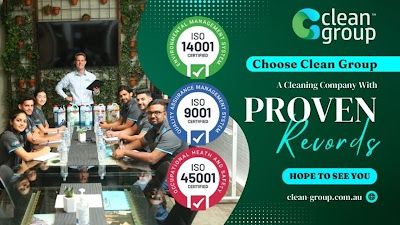
Sustainability practices are influencing purchasing and operational decisions in the commercial cleaning industry. Green-certified chemicals, microfiber cleaning systems, reusable tools, and energy-efficient machinery are being widely adopted. Many companies are seeking third-party certifications like Green Seal, LEED, and ISO 14001 to validate their environmental performance and communicate their commitment to clients. These certifications can serve as a competitive differentiator, especially for companies servicing environmentally conscious clients or facilities that must adhere to sustainability reporting requirements. Reducing water usage, lowering chemical runoff, and minimizing waste are now considered essential elements of high-quality commercial cleaning services, not optional features.
The future of cleaning is also deeply intertwined with sustainability. The pressure on businesses to adopt eco-friendly cleaning practices is mounting, driven by both consumer demand and government regulations aimed at reducing environmental impact. Cleaning products and methods that were once considered standard are now being reevaluated for their environmental footprint. For example, many conventional cleaning agents contain harmful chemicals that can damage the environment and human health. In response, there has been a growing shift towards natural and biodegradable cleaning products that are both effective and safer for the planet. Additionally, there is a move towards reducing waste generated by cleaning processes, with companies adopting refillable cleaning supplies and packaging made from recycled materials.
Commercial cleaning has also become a significant avenue for entrepreneurship and small business growth. Many businesses in this sector begin as small, family-owned operations and scale up by cultivating strong client relationships and delivering reliable, consistent results. Franchising plays a key role in this growth, providing aspiring entrepreneurs with the advantage of brand recognition, standardized training, and operational support. This business model not only promotes job creation and community development but also contributes to economic advancement, especially in underserved communities.
Client communication and customer service are essential pillars of a successful commercial cleaning business. Establishing clear expectations through well-defined service agreements and maintaining consistent follow-ups helps to prevent misunderstandings and ensures high levels of client satisfaction. Regular inspections, feedback systems, and client surveys offer a structured approach to identifying service gaps and improving quality. Tailoring service plans to the client's specific industry, building layout, and operational schedule not only ensures cleaning effectiveness but also supports the client's overall business operations and enhances the work environment.
Commercial cleaning has become a vital support system for modern infrastructure. Clean workplaces help foster better morale, improve workflow, and leave a lasting positive impression on clients and visitors. To meet evolving expectations, cleaning companies are embracing innovation, prioritizing sustainability, and investing in employee training. Advanced equipment, environmentally friendly practices, and an emphasis on health and hygiene allow these companies to deliver high-quality services that align with client priorities.
The industry's ongoing evolution reflects a broader emphasis on hygiene in the wake of global health crises like COVID-19. Many businesses now prioritize frequent disinfection of high-touch surfaces and the use of hospital-grade cleaners. Commercial cleaning companies have adapted by increasing service frequency, introducing deep-cleaning options, and enhancing disinfection protocols. These measures are no longer temporary responses but permanent features of workplace maintenance in many sectors.
Data centers and technology hubs also require specialized cleaning services. These environments are highly sensitive to dust, static electricity, and environmental changes. Cleaners must use anti-static materials, HEPA vacuums, and carefully mapped workflows to avoid interfering with critical infrastructure. Additional liability insurance and technical training are often required to meet client expectations in such sensitive areas.
Security and confidentiality have also become key considerations in commercial cleaning, particularly in government buildings, law firms, financial institutions, and corporate offices. Cleaners may be exposed to sensitive documents, secure areas, or confidential data. As a result, companies often require background checks, non-disclosure agreements, and training in proper handling of secure materials. Some facilities limit cleaning staff access to certain zones or implement badge systems that track entry and exit. Building trust and accountability is essential in these relationships, and cleaning companies must demonstrate professionalism and reliability at every level.
In hospitality, cleanliness is a critical factor in guest satisfaction. Hotels, resorts, and vacation rentals must maintain high standards of cleanliness to ensure that guests feel comfortable and safe during their stay. This includes not only room cleaning but also maintaining common areas, pools, gyms, and restrooms. The rise of eco-conscious travelers has also led to the adoption of sustainable cleaning practices in the hospitality industry. Many hotels are now using eco-friendly cleaning products and implementing water-saving cleaning methods to reduce their environmental impact while still providing a high level of cleanliness.
As businesses continue to prioritize cleanliness and safety, the role of commercial cleaning companies will only become more critical. One area where this is particularly evident is in the rise of hygiene-focused cleaning in response to global health concerns. In the aftermath of the COVID-19 pandemic, companies across various sectors, especially in healthcare, retail, and hospitality, have placed a heightened emphasis on maintaining sanitary environments. Cleaning protocols, such as frequent disinfecting of high-touch surfaces and the use of specialized cleaning solutions that target viruses and bacteria, have become standard practices in many industries. Commercial cleaning companies have adapted to these demands by implementing enhanced cleaning schedules, offering deep-cleaning services, and using hospital-grade disinfectants to ensure the health and safety of employees and customers. As the world continues to deal with health challenges, the importance of maintaining clean, germ-free spaces will remain a key focus for businesses and their cleaning service providers.
As businesses continue to adapt to a post-pandemic world, the expectations surrounding cleanliness and hygiene remain a top priority. Many organizations now view commercial cleaning as a strategic investment in employee well-being, client trust, and overall productivity. A clean, well-maintained environment contributes to employee morale, reduces the spread of illnesses, and enhances the aesthetic appeal of the workplace. Companies that prioritize cleanliness are often seen as more responsible, and they may attract and retain top talent who value safe, hygienic workspaces. For this reason, commercial cleaning providers are not only tasked with ensuring cleanliness but also creating environments that foster productivity and a sense of security.
Another area of development in the commercial cleaning industry is the increasing adoption of technology to improve operational efficiency. Cleaning companies are now incorporating automation and robotics into their service offerings. For instance, autonomous floor scrubbers and vacuums can now navigate large office spaces and industrial facilities, performing cleaning tasks with minimal human intervention. These machines are programmed to detect dirt and debris, ensuring that the floors are cleaned thoroughly without the need for constant human oversight. The integration of such technologies not only helps improve the speed and efficiency of cleaning processes but also reduces labor costs and increases productivity. Furthermore, the data generated by these machines can be used to analyze cleaning patterns and determine areas that require more attention, allowing companies to optimize their services even further.
What are the benefits of hiring professional cleaners from Clean Group?

The commercial cleaning industry is continuously adapting to new demands. Whether it's changing workplace designs, evolving hygiene standards, or greater environmental expectations, cleaning services now play a central role in maintaining functional, safe, and welcoming environments. Cleaners contribute directly to public health, brand strength, and operational efficiency-and the profession is gaining the recognition it deserves.
As sustainability becomes an increasingly vital concern, the cleaning industry is also seeing a rise in green certifications and standards that guide businesses in adopting environmentally friendly practices. Various organizations are offering eco-certifications that validate a company's commitment to sustainable cleaning methods. For example, the Green Seal certification is a well-known standard that verifies that cleaning products and services are environmentally responsible. This movement not only helps protect the planet but also responds to the growing consumer demand for businesses that align with their values regarding sustainability. Many cleaning services now opt for products made from renewable resources, which biodegrade quickly and leave behind minimal environmental impact. Additionally, there's a significant push towards reducing water consumption, especially in methods like pressure washing, where the amount of water used can be minimized without compromising the effectiveness of the cleaning process.
Safety is another cornerstone of modern commercial cleaning. The use of chemical agents and heavy equipment introduces potential risks, making rigorous safety training essential. Many cleaning companies now require their staff to complete comprehensive programs on chemical handling, lifting techniques, fire safety, and the use of personal protective equipment (PPE). These initiatives not only prevent workplace injuries but also ensure compliance with industry standards, reducing liability for both cleaning firms and their clients. A well-trained workforce is critical to maintaining operational integrity and client trust.
The expansion of the commercial cleaning industry is closely tied to demographic and economic trends. As urbanization increases and more people work in shared office environments, demand for professional cleaning continues to grow. The rise of e-commerce has created additional demand in warehouses, distribution centers, and fulfillment hubs. These spaces require precise and sanitary conditions to ensure smooth logistics and health compliance. The hospitality, entertainment, and transportation sectors also depend heavily on consistent, high-quality cleaning to meet customer expectations and safety standards.
Customer relationship management (CRM) software is now a vital tool for commercial cleaning firms. CRMs streamline client communications, track service delivery, and manage feedback, enabling companies to respond more quickly and effectively to customer needs. By improving administrative efficiency and communication, these platforms help firms build long-term relationships with clients while maintaining high service standards.
Ethical business practices are gaining importance in the commercial cleaning industry, particularly concerning worker treatment. Clients increasingly evaluate service providers based on how they compensate and support their employees. Fair wages, access to benefits, and safe working conditions are now seen as competitive differentiators. Some organizations even require vendors to meet labor standards as part of procurement. This shift is prompting many cleaning firms to offer better pay, career development, and wellness programs to attract and retain talent in a field historically plagued by high turnover.

Suji Siv is the Founder and CEO of Clean Group, overseeing business operations and team management. Regional Operations Managers like Stephen, Amelia, and Beau handle day-to-day operations in different locations.
Clean Group distinguishes itself through its extensive experience, eco-friendly practices, ISO certification, 24/7 availability, and trusted reputation with Australia’s leading brands.
Yes, Clean Group specializes in virus disinfection, ensuring workplaces are safe and ready to reopen after a virus-related closure.
Clean Group is based in Sydney, Australia, with operations also in Melbourne, Brisbane, and Auckland, NZ.