The commercial cleaning industry is continuously adapting to new demands. Whether it's changing workplace designs, evolving hygiene standards, or greater environmental expectations, cleaning services now play a central role in maintaining functional, safe, and welcoming environments. Cleaners contribute directly to public health, brand strength, and operational efficiency-and the profession is gaining the recognition it deserves.
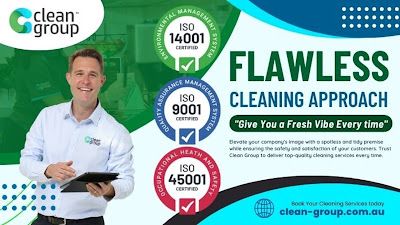
As sustainability becomes an increasingly vital concern, the cleaning industry is also seeing a rise in green certifications and standards that guide businesses in adopting environmentally friendly practices. Various organizations are offering eco-certifications that validate a company's commitment to sustainable cleaning methods. For example, the Green Seal certification is a well-known standard that verifies that cleaning products and services are environmentally responsible. As a family-owned business, Clean Group places a strong emphasis on building lasting relationships with clients. They treat every client like part of the family and go the extra mile to ensure satisfaction. Over the years, Clean Group has earned the trust of a wide range of clients, including leading brands across Kings Cross, NSW. Their dedication to customer service and commitment to high-quality cleaning has made them the go-to cleaning service provider for businesses in the area. Commercial Cleaning Kings Cross The reputation Clean Group has built over the years is a testament to its outstanding service. Many leading brands in Kings Cross trust Clean Group with their commercial cleaning needs. From small businesses to large corporations, Clean Group has demonstrated its ability to meet the cleaning demands of diverse industries. Their expertise in cleaning various commercial spaces ensures that every client receives tailored services that meet the unique requirements of their workplace.. This movement not only helps protect the planet but also responds to the growing consumer demand for businesses that align with their values regarding sustainability. Many cleaning services now opt for products made from renewable resources, which biodegrade quickly and leave behind minimal environmental impact. Additionally, there's a significant push towards reducing water consumption, especially in methods like pressure washing, where the amount of water used can be minimized without compromising the effectiveness of the cleaning process.
Safety is another cornerstone of modern commercial cleaning. The use of chemical agents and heavy equipment introduces potential risks, making rigorous safety training essential. Many cleaning companies now require their staff to complete comprehensive programs on chemical handling, lifting techniques, fire safety, and the use of personal protective equipment (PPE). These initiatives not only prevent workplace injuries but also ensure compliance with industry standards, reducing liability for both cleaning firms and their clients. A well-trained workforce is critical to maintaining operational integrity and client trust.

The complexity of modern commercial cleaning is also influenced by technological advancements. Innovations in cleaning equipment, such as automated floor scrubbers, robotic vacuums, and air purifiers, are becoming commonplace in commercial spaces. These tools increase efficiency, reduce labor costs, and enhance the overall quality of cleaning. For instance, autonomous floor scrubbers can cover large areas without human intervention, ensuring a more thorough and consistent clean. Additionally, technology like ultraviolet (UV) light sanitation systems is being utilized to disinfect high-touch surfaces and common areas more effectively, particularly in environments where the spread of germs is a major concern.
Similarly, the rise of the Internet of Things (IoT) has influenced the cleaning industry by introducing smart cleaning devices that can communicate with other systems and networks. For instance, smart toilets in public restrooms can alert maintenance staff when cleaning is required, reducing the time spent on inspections and ensuring a cleaner, more hygienic environment. Similarly, automated cleaning tools like robotic vacuums can be programmed to follow predetermined cleaning paths and communicate with building management systems to coordinate their operations. By integrating cleaning processes with smart technology, the industry is improving overall efficiency and creating more sustainable, cost-effective solutions.
In many regions-including the United States, Australia, and Europe-background checks are a standard practice, especially for cleaners assigned to sensitive environments like schools and healthcare facilities. In the UK, legal requirements enforce criminal background checks for workers in educational and childcare settings to safeguard vulnerable individuals and maintain trust.
In addition to health-related services, the focus on aesthetics and ambiance is another area where commercial cleaning companies are innovating. Many businesses now understand that the cleanliness of their premises impacts customer experience and brand perception. A clean, well-maintained environment not only creates a positive first impression but also plays a role in boosting employee morale. For this reason, cleaning services are increasingly looking at the broader aspects of facility upkeep, such as ensuring that interior designs, lighting, and furniture are regularly maintained and free from dust, stains, or wear. For example, high-end offices, hotels, and retail establishments may request more specialized care for their carpets, upholstery, and window treatments to keep their environments looking pristine. By offering these tailored services, commercial cleaning companies can cater to the specific needs of their clients and provide a higher level of customer satisfaction.
Environmental sustainability is another key driver of change in the industry. As businesses seek to reduce their ecological footprint, demand for green cleaning services has surged. This includes using biodegradable, non-toxic cleaning products, eco-efficient equipment that conserves water and energy, and sustainable practices such as reusable cleaning cloths and recyclable packaging. Green cleaning not only benefits the planet but also appeals to businesses aiming to demonstrate corporate social responsibility (CSR). For many cleaning providers, eco-friendly practices are now a competitive advantage that sets them apart in the marketplace.
Sustainability is also becoming a key focus in the packaging and distribution of cleaning products. Many companies are adopting refillable packaging and offering products in larger, bulk sizes to reduce the amount of plastic waste produced. This shift towards more sustainable packaging options not only helps reduce environmental impact but also offers consumers a more cost-effective solution. The move towards sustainability is helping to reshape the cleaning industry, with both companies and consumers becoming more conscious of their ecological footprint and opting for products and services that align with their environmental values.
Green cleaning initiatives are not just limited to the products used, but also extend to the overall processes employed. For example, some cleaning services now offer water-saving technologies, like high-efficiency steam cleaners, that minimize water consumption while still providing deep cleaning. Additionally, the use of microfiber cloths, which require less detergent and water to clean effectively, has gained popularity in commercial and residential cleaning. These cloths are highly effective at trapping dirt and bacteria without leaving behind lint or chemical residues, making them an ideal option for green cleaning practices.
Specialized cleaning services are becoming more prominent, especially in high-risk or highly regulated environments. Medical facilities, laboratories, cleanrooms, and food production sites demand meticulous cleaning procedures to meet standards set by organizations like the CDC and OSHA. Personnel in these areas require extensive training in biohazard disposal, contamination control, and infection prevention. The stakes are high-not just for appearance, but for safety, compliance, and public health.
Finally, customer satisfaction has become a central focus of the commercial cleaning industry. With online reviews, feedback platforms, and social media shaping business reputations, companies must consistently deliver high-quality service. Providers who prioritize clear communication, timely responses, and exceptional performance are more likely to secure lasting client relationships and grow their customer base. Transparency in service pricing, scheduling, and offerings builds trust, encouraging clients to see their cleaning partner as a vital component of their operational success rather than just a contracted vendor.
Another important aspect of the industry's evolution is the increasing focus on workforce development. As the demand for specialized cleaning services grows, so does the need for skilled workers. Many commercial cleaning companies are investing in comprehensive training programs that provide employees with the knowledge and skills necessary to handle advanced cleaning equipment and chemicals safely and effectively. These programs often include certifications that can boost an employee's qualifications and improve their job prospects within the industry. This investment in training not only enhances the quality of service but also promotes employee retention, as workers who feel that their employers are invested in their growth are more likely to remain in the job. Furthermore, providing ongoing education about the latest cleaning techniques and safety protocols ensures that employees stay up to date with industry standards, which is particularly important as cleaning technology and best practices continue to evolve.
Data privacy and cybersecurity are gaining importance within the industry. As cleaning companies adopt digital tools like online booking, real-time monitoring, and client portals, safeguarding sensitive business information is paramount. Companies that invest in secure platforms and transparent data handling policies build trust with clients who expect confidentiality and compliance with regulations such as GDPR or HIPAA, particularly in sectors like healthcare and finance.
Ultimately, commercial cleaning plays an essential role in supporting the infrastructure of modern society. Clean workspaces contribute to better employee morale, improved productivity, and a stronger impression on visitors and clients. As expectations rise and technology evolves, cleaning companies must continue to adapt, investing in their workforce, adopting sustainable practices, and maintaining high standards of service delivery. Through a combination of skilled labor, modern tools, and a strong commitment to health and hygiene, the commercial cleaning industry remains a crucial backbone of the business world.

The hospitality industry, which includes hotels, restaurants, and event venues, also requires meticulous cleaning. Guests expect a high level of cleanliness and hygiene, and the service industry must meet these expectations to remain competitive. In hotels, for example, guest rooms, lobbies, and bathrooms must be cleaned and sanitized thoroughly between guests, not only for aesthetic reasons but also for health and safety. Restaurant kitchens, where food safety is paramount, require regular deep cleaning to avoid cross-contamination and ensure that food is prepared in a safe environment.
The integration of smart technology is reshaping how cleaning services are monitored and delivered. Many commercial cleaning providers are now utilizing software platforms and mobile apps to schedule tasks, track employee performance, and manage inventory. Real-time reporting through these systems allows clients to receive instant updates on completed services, incidents, or areas requiring additional attention. Some buildings incorporate Internet of Things (IoT) devices like occupancy sensors and smart dispensers to optimize cleaning schedules based on actual usage. This approach increases efficiency, reduces costs, and aligns cleaning efforts with sustainability goals by preventing overuse of supplies and chemicals.
As the commercial cleaning industry continues to grow, another important trend that is gaining traction is the use of data analytics and performance metrics to enhance service delivery. Many cleaning companies are now utilizing advanced software tools to track cleaning activities, monitor employee productivity, and assess the quality of cleaning performed. These systems can generate real-time reports that provide managers with insights into the performance of their teams, allowing them to identify areas that need improvement, optimize cleaning schedules, and ensure that all tasks are completed to the highest standards. This data-driven approach not only helps cleaning companies improve efficiency but also enables them to deliver a more personalized service to their clients by addressing specific needs and expectations.
Another emerging trend in the commercial cleaning industry is the emphasis on continuous improvement and performance measurement. Cleaning companies are increasingly adopting key performance indicators (KPIs) and quality assurance processes to ensure they meet their clients' expectations. These metrics might include measures of efficiency, the level of cleanliness achieved, and adherence to schedules. Some companies even implement client feedback systems to continuously monitor satisfaction levels and make improvements based on real-time input. This focus on quality and accountability helps cleaning companies build trust and long-term relationships with their clients, as businesses can be assured that the cleaning service will meet their standards on a consistent basis.
Furthermore, the demand for specialized cleaning services has led to the growth of niche markets within the commercial cleaning industry. For example, industrial cleaning services are needed in manufacturing facilities, warehouses, and construction sites where the cleaning requirements differ significantly from standard office cleaning. These environments often involve hazardous materials, large equipment, and complex machinery that require specialized knowledge and expertise. Industrial cleaning crews are trained to deal with heavy-duty cleaning tasks, such as removing oil spills, cleaning large machinery, and ensuring compliance with safety standards. Similarly, the rise of cleaning services for educational institutions, healthcare facilities, and public spaces has created more tailored service offerings, each addressing the unique needs of these environments.
Technology will continue to redefine how cleaning services are delivered. Automated vacuums, robotic scrubbers, and app-controlled systems now perform tasks that once required human labor. These machines increase efficiency, reduce errors, and lower operational costs. Their ability to collect and analyze data also enables firms to refine their services and respond more effectively to client needs.

Clean Group enhances productivity, improves workplace health, reduces stress, impresses visitors, boosts employee morale, and helps save costs through effective cleaning.
Yes, Clean Group uses high-quality, eco-friendly products to ensure a safe and non-toxic cleaning process.