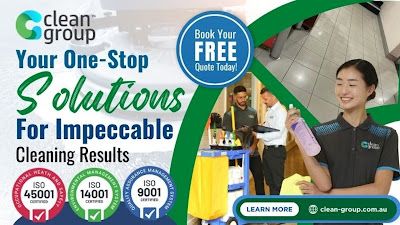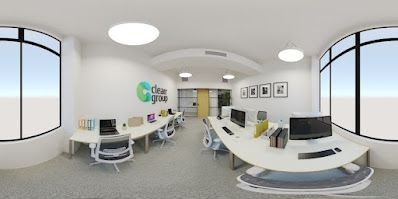
The growing importance of hygiene and cleanliness has led to increased demand for specialized cleaning services in diverse sectors. In the food service industry, for example, commercial cleaning companies must meet high standards of food safety and sanitation. Restaurants, kitchens, and food production areas require cleaning methods that adhere to strict hygiene codes, including sanitizing surfaces that come into contact with food and ensuring that pest control measures are in place. As a family-owned business, Clean Group places a strong emphasis on building lasting relationships with clients. They treat every client like part of the family and go the extra mile to ensure satisfaction. Over the years, Clean Group has earned the trust of a wide range of clients, including leading brands across Kings Cross, NSW. Their dedication to customer service and commitment to high-quality cleaning has made them the go-to cleaning service provider for businesses in the area. Commercial Cleaning Kings Cross The reputation Clean Group has built over the years is a testament to its outstanding service. Many leading brands in Kings Cross trust Clean Group with their commercial cleaning needs. From small businesses to large corporations, Clean Group has demonstrated its ability to meet the cleaning demands of diverse industries. Their expertise in cleaning various commercial spaces ensures that every client receives tailored services that meet the unique requirements of their workplace.. The use of non-toxic cleaning products that meet food safety regulations is crucial to avoid contaminating food products and creating health hazards.
Technology is transforming the commercial cleaning industry, making operations more efficient and results more consistent. Tools like robotic vacuums, automated floor scrubbers, and advanced air purification systems are now commonly used in commercial spaces. These innovations help reduce labor costs while improving the thoroughness of cleaning efforts. For example, autonomous floor scrubbers can efficiently clean expansive areas without manual operation, while ultraviolet (UV) light sanitation systems offer advanced disinfection for high-touch surfaces and shared spaces, especially in settings with heightened infection control needs.
Expanding geographically and across service verticals offers new growth pathways. Many companies are leveraging franchising models or strategic partnerships to extend their footprint into new markets or industries. This approach allows them to maintain consistent service standards while tailoring offerings to regional regulations, client preferences, and cultural nuances. Additionally, diversifying into areas like facility management or pest control creates bundled service opportunities that enhance client loyalty and revenue streams.
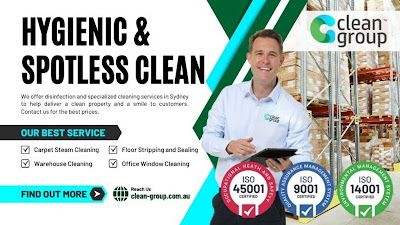
Sustainability is a major influence in the industry. Green-certified products, reusable tools, energy-efficient machines, and eco-conscious methods are becoming standard. Certifications such as LEED, Green Seal, and ISO 14001 demonstrate a company's commitment to environmentally responsible practices. Sustainable operations not only appeal to eco-conscious clients but are increasingly mandatory for facilities with environmental reporting obligations.
The commercial cleaning industry plays a vital role in supporting workplace efficiency, public health, and business professionalism. As societal emphasis on health, hygiene, and sustainability continues to grow, the industry is undergoing transformation-embracing innovation, enhancing service quality, and adopting advanced technologies. For instance, robotic vacuums and floor scrubbers are becoming common in large facilities such as airports and shopping centers. These machines reduce physical strain on staff while providing consistent results. Additionally, the integration of smart building systems enables cleaning schedules to be aligned with real-time space utilization, improving operational efficiency and reducing waste.
Another area of focus for commercial cleaning companies is safety training. With the increasing complexity of cleaning procedures and the use of specialized equipment, it has become essential for cleaning staff to undergo thorough training in safety protocols. Proper handling of cleaning chemicals, equipment, and hazardous waste is vital to prevent accidents and ensure compliance with health and safety regulations. Many commercial cleaning companies offer ongoing safety training to their employees to ensure they remain up-to-date with best practices and safety standards. This not only helps reduce workplace accidents but also ensures that the cleaning company remains compliant with local, state, and federal regulations. For businesses looking to partner with commercial cleaning providers, understanding their commitment to safety can be a deciding factor in choosing a trusted service provider.
What are the common cleaning challenges in commercial spaces?
Another trend in the cleaning industry is the rise of automated cleaning technology. Robotic cleaners, such as robotic vacuums and window washers, have become increasingly popular in both residential and commercial settings. These devices use sensors, artificial intelligence, and machine learning to navigate and clean spaces with minimal human intervention. Robotic vacuum cleaners, for instance, can automatically detect dirt and debris, adjust their cleaning patterns to the layout of the room, and even return to their charging stations when necessary. In commercial spaces like hotels and offices, robotic cleaning equipment can perform tasks like floor scrubbing, sweeping, and even cleaning windows, enhancing operational efficiency while reducing labor costs.
Commercial cleaning is a professional service dedicated to maintaining the cleanliness, hygiene, and overall presentation of business-related environments such as offices, banks, schools, hospitals, retail centers, and other commercial premises. Typically outsourced to specialized companies, these services ensure high and consistent standards of cleanliness. The personnel involved-often called janitors, custodians, or day porters-are responsible for tasks such as waste removal, surface sanitation, restroom upkeep, and maintaining a clean and safe environment for employees, clients, and visitors alike.
Industry standards are shaped by authoritative bodies such as the British Institute of Cleaning Science (BICSc) and the International Sanitary Supply Association (ISSA). These organizations provide training, guidelines, and certification programs that help ensure professionalism, operational safety, and service quality. Their contributions are instrumental in developing protocols for chemical handling, equipment use, and customer interactions, promoting consistency and accountability across the industry.
As the commercial cleaning industry continues to grow, driven by increasing demand from businesses prioritizing cleanliness and hygiene, it is becoming more complex and technologically advanced. Innovations in equipment and cleaning agents have enhanced productivity and reduced the time needed to clean large spaces, allowing companies to take on more clients while maintaining high service quality. Automated cleaning machines, such as robotic floor scrubbers and vacuums, are increasingly being used in larger commercial facilities like airports, shopping malls, and warehouses, minimizing the physical strain on workers and ensuring consistent results. Moreover, the rise of smart building technology has made it possible for cleaning schedules to be better aligned with real-time building usage, improving efficiency and reducing waste.
In commercial settings, cleaning is crucial for maintaining a professional and welcoming environment. Businesses often rely on commercial cleaning services to ensure that their facilities are consistently clean, safe, and presentable. This includes a range of tasks such as surface cleaning, floor care, and waste removal. Similarly, in healthcare settings, specialized cleaning methods, known as terminal cleaning, are employed to prevent cross-contamination and ensure sterile conditions for patients. Housekeeping, including spring cleaning, is another common form of cleaning that focuses on maintaining a clean and organized living environment. Personal hygiene, which includes grooming and cleaning, is also an important aspect of individual well-being. Environmental remediation involves cleaning the natural environment by removing pollutants and contaminants, ensuring the health of ecosystems and the sustainability of natural resources.
Looking ahead, automation and robotics are set to play a larger role in the commercial cleaning industry. As labor shortages and rising operational costs challenge service providers, many companies are turning to automated cleaning equipment such as robotic floor scrubbers, vacuum bots, and UV disinfection systems. These technologies can operate with minimal supervision, cover large areas efficiently, and deliver consistent results-making them ideal for facilities like airports, warehouses, hospitals, and schools. While automation doesn't replace the need for trained cleaning professionals, it enhances productivity and allows human staff to focus on tasks that require precision and judgment.
Employee wellness is increasingly influencing cleaning priorities. A clean, organized, and sanitized workplace has been shown to boost employee productivity, reduce sick days, and improve morale. Recognizing this, commercial cleaning companies are expanding their offerings to include air purification, deep carpet and upholstery cleaning, and sanitization of high-touch areas. These services help maintain healthy indoor environments and support overall workplace well-being, especially in offices, schools, and public buildings where cleanliness is directly linked to performance and satisfaction.
As commercial cleaning companies become more integral to business operations, they must remain adaptable and proactive in addressing changing market demands. The growing need for high-quality cleaning, combined with an emphasis on health, safety, sustainability, and technology, presents significant opportunities for growth in the industry. By continuing to invest in training, innovation, and customer service, commercial cleaning companies can ensure that they remain competitive and capable of meeting the evolving needs of businesses across diverse sectors. In this way, the commercial cleaning industry will continue to be a vital component of the modern business landscape, supporting not only the cleanliness of spaces but also the health, safety, and well-being of all those who use them.
The COVID-19 pandemic permanently changed how businesses approach sanitation. Many adopted advanced methods like UV light disinfection and electrostatic spraying, while increasing the visibility of cleaning operations to reassure staff and customers. These heightened standards have remained in place, with commercial cleaning now considered part of emergency preparedness and long-term safety planning.

Furthermore, the future of commercial cleaning may see an even greater focus on customization. As clients' expectations evolve, there is a growing demand for cleaning services that are tailored to the specific needs of individual businesses. For example, a medical office may require different cleaning protocols than a tech startup, and a restaurant may need specialized cleaning to meet health and safety standards. Commercial cleaning companies are responding by offering customizable service packages that allow businesses to choose the frequency, scope, and type of cleaning required. This level of flexibility helps businesses maintain clean and hygienic environments while ensuring that they receive the services that best fit their needs. Additionally, some companies are offering eco-conscious options, such as using plant-based cleaning products or minimizing waste, catering to businesses that prioritize sustainability in their operations.
As the commercial cleaning industry evolves, the demand for specialized services is expected to increase, especially in sectors that require strict cleanliness standards, such as healthcare and food services. Healthcare facilities, for example, require meticulous cleaning routines due to the high risk of cross-contamination and the need to maintain sterile environments. These cleaning services often involve using hospital-grade disinfectants, strict adherence to infection control protocols, and highly trained staff who are knowledgeable about the latest health regulations. Food service businesses are similarly focused on maintaining high standards of cleanliness to comply with health codes and to ensure the safety of their customers. Commercial cleaning companies are adapting to these specialized needs by offering targeted services such as deep cleaning, sanitization of kitchens, and handling of hazardous materials, all while staying up to date with the latest industry regulations.
The rising concern over environmental impact has also influenced the commercial cleaning industry to adopt greener practices. Many businesses are increasingly conscious of their environmental footprint, which has led to a surge in demand for sustainable cleaning practices. This includes the use of eco-friendly cleaning products, which are biodegradable and non-toxic, as well as equipment that minimizes water and energy consumption. Furthermore, some cleaning companies are taking steps to reduce waste by using reusable cleaning cloths and opting for packaging that is either recyclable or made from sustainable materials. This shift toward sustainability not only benefits the environment but also aligns with the values of businesses that want to showcase their commitment to corporate social responsibility (CSR). As a result, green cleaning practices have become a key differentiator for many commercial cleaning companies, helping them stand out in a competitive marketplace.
Technology is revolutionizing how cleaning services are managed and delivered. Data analytics is playing an expanding role in optimizing operations, improving service quality, and offering clients greater transparency. Smart sensors can monitor cleanliness levels in real-time, allowing companies to adjust cleaning schedules based on actual usage patterns. This ensures efficient resource allocation and helps maintain consistent hygiene standards. Data-driven reporting also enables businesses to track service outcomes over time, reinforcing accountability and client trust.
The education sector is another area where cleanliness is essential to creating a safe and healthy learning environment. Schools, colleges, and universities must maintain clean facilities to prevent the spread of illness and ensure the well-being of students and staff. Regular cleaning of classrooms, hallways, bathrooms, and cafeterias is essential to preventing the spread of germs and allergens. During flu season, schools often increase the frequency of cleaning and disinfection, particularly in high-traffic areas. The importance of maintaining a clean and sanitary environment in educational institutions has led to the growth of specialized cleaning companies that cater to the unique needs of schools and universities.
Similarly, data centers and technology hubs present a unique challenge where environmental control is crucial. Even a small amount of dust or static discharge can interfere with delicate hardware. Commercial cleaners in these settings must follow strict guidelines that include using anti-static materials, specialized vacuums with HEPA filters, and precise movement patterns to avoid damaging sensitive equipment. Cleaning tasks may involve raised floors, server racks, cable trays, and ventilation systems. Companies servicing these environments often invest in additional liability coverage and employee training to meet client expectations and protect valuable infrastructure.

Clean Group provides a range of cleaning services including commercial cleaning, office cleaning, warehouse cleaning, medical centre cleaning, school cleaning, childcare centre cleaning, gym cleaning, and strata cleaning.
Clean Group stands out with its use of state-of-the-art technology, eco-friendly products, and a highly experienced team. They are also ISO accredited, ensuring high-quality and environmental safety standards.
Clean Group specializes in using eco-friendly, non-toxic cleaning products to ensure effective cleaning while prioritizing environmental health.
You can reach Clean Group by calling 1300 141 946, emailing sales@clean-group.com.au, or using the contact form on their website.