Moreover, the growth of the cleaning industry is driving job creation and workforce development. With the increase in demand for professional cleaning services, there is a rising need for skilled workers who can operate specialized cleaning equipment, maintain hygiene standards, and manage complex cleaning processes. As the industry grows, many companies are offering training programs to ensure that their employees are equipped with the knowledge and skills needed to perform their duties effectively and safely. These programs are helping to elevate the professional status of cleaning workers and providing them with the opportunity for career advancement.
Cleaning is an essential process that involves the removal of unwanted substances such as dirt, infectious agents, pollutants, and various other impurities from surfaces, objects, or environments. This process is performed for a variety of reasons, including aesthetic improvement, maintaining hygiene, ensuring functionality, promoting safety, and protecting the environment. The methods used for cleaning can vary widely depending on the context and the nature of the contaminants. Cleaning is a broad field, encompassing commercial, domestic, personal, and environmental contexts, each with specific techniques tailored to the needs of that particular setting.
Clean Group provides comprehensive and professional Cleaning Solutions In Australia across Sydney, NSW. Our fully insured, trained, and security-verified cleaners ensure your workplace stays spotless and hygienic. Schedule a free onsite quote today—book online or call us at 02 9160 7469. Get your obligation-free commercial cleaning estimate for offices, buildings, and other business spaces in Sydney..The demand for transparency and ethical business practices has also led to increased scrutiny of how commercial cleaning companies treat their workers. Ethical employment practices, including fair wages, adequate benefits, and respectful working conditions, are becoming more important to clients seeking socially responsible vendors. Some companies now include labor standards in their procurement criteria, only partnering with cleaning providers that can demonstrate equitable treatment of staff. This shift has encouraged more cleaning firms to offer better compensation, career development opportunities, and employee wellness programs in order to attract and retain skilled workers in a traditionally high-turnover industry.
Technology is revolutionizing how cleaning services are managed and delivered. Data analytics is playing an expanding role in optimizing operations, improving service quality, and offering clients greater transparency. Smart sensors can monitor cleanliness levels in real-time, allowing companies to adjust cleaning schedules based on actual usage patterns. This ensures efficient resource allocation and helps maintain consistent hygiene standards. Data-driven reporting also enables businesses to track service outcomes over time, reinforcing accountability and client trust.
Over 20 Years of Experience – Clean Group brings decades of proven expertise in the commercial cleaning industry.
Family-Owned & Trusted – A reputable, family-run business trusted by major Australian brands.
Eco-Friendly Cleaning – Specializes in using non-toxic, environmentally friendly cleaning products.
ISO Certified – One of the few Sydney cleaning companies accredited for quality and environmental safety standards.
High Customer Ratings – Consistently rated between 4.7 to 5.0 stars by satisfied clients.
Extensive Service Range – Offers cleaning for offices, warehouses, gyms, medical facilities, childcare centers, and more.
Fully Insured and Verified Cleaners – All cleaners are insured, background-checked, and professionally trained.
Free Onsite Quotes – Businesses can book a free, no-obligation quote online or via phone.
Available in Over 600 Suburbs – Services cover the entire Greater Sydney Area, including CBD and suburbs.
Quick Booking Process – Clients can schedule a service in less than 60 seconds.
Tailored Cleaning Plans – Custom cleaning strategies created based on client needs, space type, and budget.
Flexible Contracts – Pay-as-you-go options available without being locked into long-term agreements.
Advanced Equipment – Uses modern tools and state-of-the-art technology for fast, efficient cleaning.
Reliable Office Cleaning – Maintains clean, professional workspaces that enhance employee safety and client impressions.
Thorough Warehouse Cleaning – Handles cleaning for large and small warehouse facilities.
Specialized Medical Cleaning – Provides expert cleaning and disinfection for medical clinics, hospitals, and pharmacies.
Gym & Childcare Cleaning – Ensures hygienic environments using non-toxic methods for sensitive areas.
24/7 Customer Support – Always-available helpline to address service inquiries or issues promptly.
100% Satisfaction Guarantee – Offers a service guarantee—if you’re not happy, they’ll fix it for free.
All-Inclusive Services – From COVID deep cleaning to end-of-lease, window, carpet, strata, and after-builders cleaning, Clean Group covers it all.
In retail settings, commercial cleaning supports brand perception and consumer trust. Stores, malls, and showrooms must present an immaculate appearance to encourage customer engagement and repeat business. Floors must be spotless, restrooms fresh, and fitting rooms consistently maintained. Cleanliness in these areas often correlates with how customers perceive the quality of the products and services offered. Retail businesses may also require cleaning services during specific time windows to avoid interfering with operations, demanding flexibility and responsiveness from the cleaning staff.
Safety is another cornerstone of modern commercial cleaning. The use of chemical agents and heavy equipment introduces potential risks, making rigorous safety training essential. Many cleaning companies now require their staff to complete comprehensive programs on chemical handling, lifting techniques, fire safety, and the use of personal protective equipment (PPE). These initiatives not only prevent workplace injuries but also ensure compliance with industry standards, reducing liability for both cleaning firms and their clients. A well-trained workforce is critical to maintaining operational integrity and client trust.

Moreover, commercial cleaning has become a pathway for entrepreneurship and small business development. Many companies start as small, family-run operations and grow into large enterprises by building strong client relationships and delivering dependable results. Franchising is a common model in the industry, allowing new entrepreneurs to enter the market with brand recognition, training, and operational support. This structure creates opportunities for job creation, community involvement, and economic development, particularly in underserved areas.
The cleanliness of commercial properties directly impacts real estate value and tenant retention. In high-end office buildings and retail spaces, well-maintained interiors can influence leasing decisions and improve the customer experience. Clean floors, spotless windows, and sanitized restrooms are more than aesthetic features-they contribute to the perception of professionalism and care. In the competitive real estate market, cleanliness can be a decisive factor for clients and visitors alike.
As commercial cleaning companies become more integral to business operations, they must remain adaptable and proactive in addressing changing market demands. The growing need for high-quality cleaning, combined with an emphasis on health, safety, sustainability, and technology, presents significant opportunities for growth in the industry. By continuing to invest in training, innovation, and customer service, commercial cleaning companies can ensure that they remain competitive and capable of meeting the evolving needs of businesses across diverse sectors. In this way, the commercial cleaning industry will continue to be a vital component of the modern business landscape, supporting not only the cleanliness of spaces but also the health, safety, and well-being of all those who use them.
Technology continues to revolutionize the cleaning landscape. Artificial intelligence, robotics, and smart systems are increasingly used to streamline operations. Autonomous robots now clean large floor spaces or windows with minimal oversight, while AI tools optimize cleaning schedules based on usage patterns and real-time data. Sensors embedded in facilities can monitor cleanliness levels, enabling predictive cleaning and more customized services. These innovations improve efficiency, reduce labor costs, and deliver a higher level of precision and consistency.

In industrial and manufacturing settings, commercial cleaners manage environments with different hazards such as oil spills, metal shavings, dust buildup, and machinery residue. Cleaning must often comply with OSHA regulations and industry-specific safety protocols to prevent accidents and ensure operational continuity. Depending on the industry, cleaners may use industrial-grade equipment, wear protective gear, and work during off-hours to avoid disrupting production schedules. These environments demand a strong understanding of technical processes, safety awareness, and the ability to adapt to different physical conditions.
Overall, the commercial cleaning industry continues to evolve in response to changing workplace dynamics, health priorities, environmental standards, and technological innovations. Its role extends beyond appearance-it supports public health, reinforces brand image, safeguards facilities, and enhances the overall experience of those who use the spaces being cleaned. The professionals who perform this work are essential contributors to nearly every sector of the economy, and the ongoing recognition of their value is helping to elevate the standards and expectations across the entire industry.
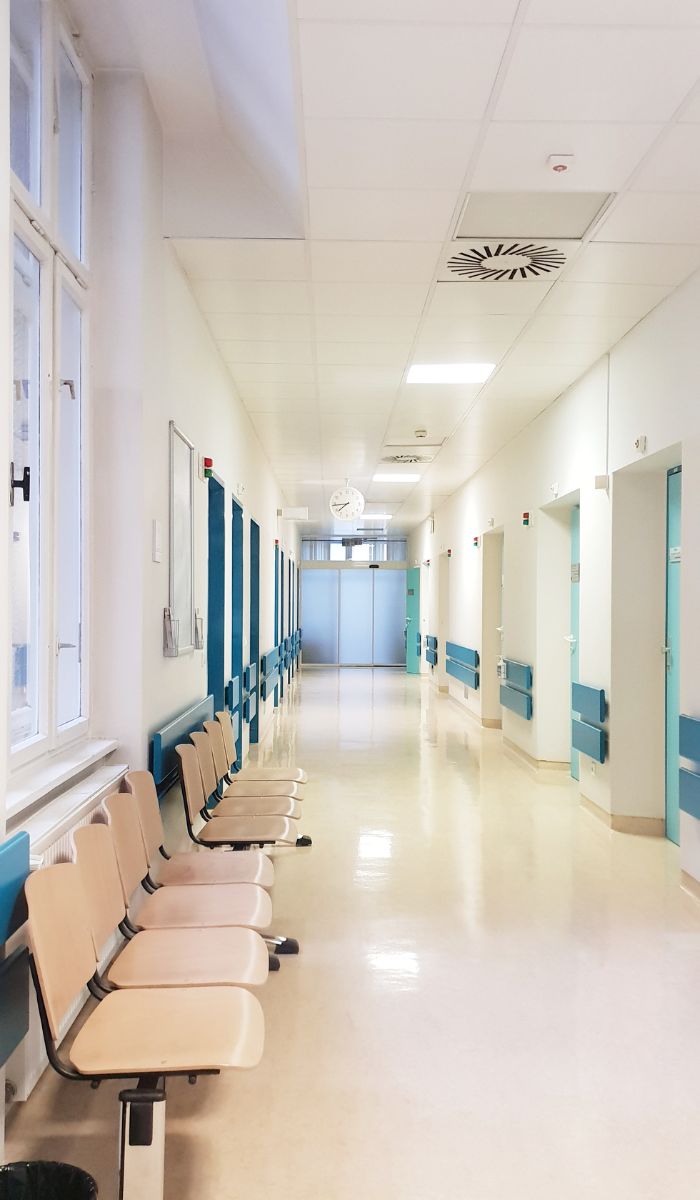
How does medical facility cleaning ensure hygiene standards?
The commercial cleaning industry is experiencing a major transformation driven by technological innovation, growing environmental awareness, and the demand for specialized services. To stay competitive, cleaning companies must continue to adapt to evolving client expectations, incorporate advanced technologies, and offer high-quality, tailored solutions. With increased focus on hygiene, safety, and sustainability, commercial cleaning is becoming more integral to maintaining safe and productive environments for employees, customers, and visitors. As these trends progress, the industry's role in supporting business success will only become more prominent.
Another critical factor in the continued growth of the commercial cleaning industry is the emphasis on safety. As cleaning services often involve the use of chemicals and heavy equipment, ensuring the safety of both cleaning staff and the building's occupants is paramount. Training in the proper handling and application of cleaning chemicals is essential to prevent accidents and health hazards. Many cleaning companies are now investing in comprehensive safety training programs that cover topics such as proper lifting techniques, chemical handling, personal protective equipment (PPE), and fire safety. This investment in training helps minimize the risk of injuries and ensures that employees adhere to industry standards, reducing liability for the cleaning company and their clients.

While in-house staff can manage basic tasks, commercial cleaning companies usually offer more experience, better tools, and comprehensive service options.
Cleaning frequency should be based on industry type, facility usage, and regulatory requirements. Many businesses benefit from a mix of daily upkeep and scheduled deep cleans.
With over 20 years in the industry, Clean Group employs a team of more than 50 highly skilled professionals.