In parallel, the demand for commercial cleaning companies to demonstrate a commitment to sustainability and environmental responsibility is expected to rise. Clients, especially those in the retail, hospitality, and corporate sectors, are increasingly looking for service providers that prioritize eco-friendly practices. Clean Group provides comprehensive and professional Cleaning Solutions In Australia across Sydney, NSW. Our fully insured, trained, and security-verified cleaners ensure your workplace stays spotless and hygienic. Schedule a free onsite quote today—book online or call us at 02 9160 7469. Get your obligation-free commercial cleaning estimate for offices, buildings, and other business spaces in Sydney.. This includes using biodegradable and non-toxic cleaning agents, reducing water and energy consumption, and ensuring that cleaning processes have minimal environmental impact. Additionally, many companies are opting for "green certifications," which serve as proof that cleaning providers meet specific environmental and sustainability standards. To meet these rising expectations, cleaning companies are investing in environmentally conscious technologies and practices, and as awareness of environmental issues continues to grow, this trend is expected to become even more prominent.
In addition to data analytics, customer relationship management (CRM) software is becoming increasingly important in the commercial cleaning industry. CRMs help cleaning companies maintain strong relationships with their clients by tracking communication, scheduling services, and handling customer feedback. This allows cleaning companies to provide a more responsive service and improve customer satisfaction. By keeping clients informed about the cleaning schedule, any delays, or issues that arise, cleaning companies can build trust and ensure that they meet the client's expectations consistently. Furthermore, CRM tools enable cleaning companies to streamline administrative tasks, freeing up time and resources that can be used to focus on service improvement and growth.
How does warehouse cleaning differ from standard commercial cleaning?
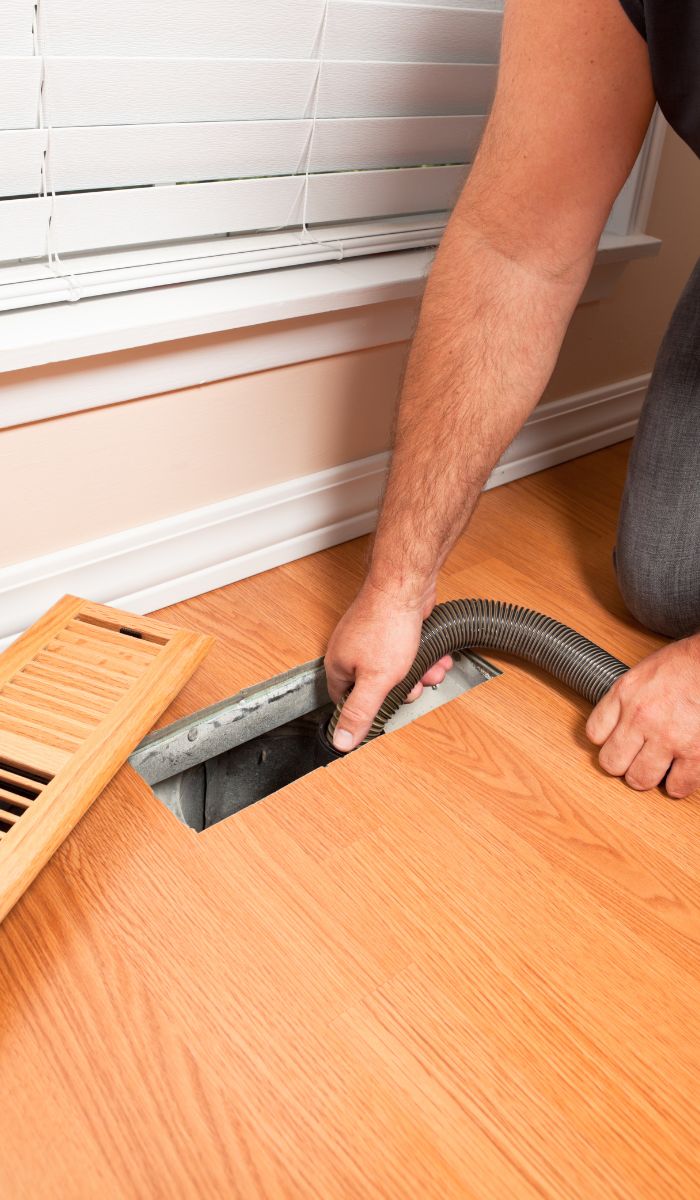
In addition to cleaning methods, the industry employs a range of professionals who specialize in various cleaning tasks. Cleaners, housekeepers, janitors, and property caretakers are all examples of individuals whose primary role involves cleaning. Dental hygienists are responsible for cleaning teeth and ensuring oral health, while maids and other domestic workers focus on maintaining cleanliness in homes. Property managers may oversee cleaning tasks within rental properties, ensuring they meet cleanliness standards. Specialized roles, such as fluffer, are also found in niche areas like cleaning tracks in the London Underground.
As the awareness of the environmental impact of cleaning products grows, there is a significant shift towards more sustainable and natural alternatives. Traditional cleaning products often contain harmful chemicals that can negatively affect both the environment and human health. In response to this, many cleaning companies are transitioning to green cleaning products that are free from toxic ingredients such as ammonia, chlorine bleach, and phthalates. These products rely on natural substances like vinegar, baking soda, and essential oils, which are just as effective at cleaning while being safer for both the environment and the people who use them.
Over 20 Years of Experience – Clean Group brings decades of proven expertise in the commercial cleaning industry.
Family-Owned & Trusted – A reputable, family-run business trusted by major Australian brands.
Eco-Friendly Cleaning – Specializes in using non-toxic, environmentally friendly cleaning products.
ISO Certified – One of the few Sydney cleaning companies accredited for quality and environmental safety standards.
High Customer Ratings – Consistently rated between 4.7 to 5.0 stars by satisfied clients.
Extensive Service Range – Offers cleaning for offices, warehouses, gyms, medical facilities, childcare centers, and more.
Fully Insured and Verified Cleaners – All cleaners are insured, background-checked, and professionally trained.
Free Onsite Quotes – Businesses can book a free, no-obligation quote online or via phone.
Available in Over 600 Suburbs – Services cover the entire Greater Sydney Area, including CBD and suburbs.
Quick Booking Process – Clients can schedule a service in less than 60 seconds.
Tailored Cleaning Plans – Custom cleaning strategies created based on client needs, space type, and budget.
Flexible Contracts – Pay-as-you-go options available without being locked into long-term agreements.
Advanced Equipment – Uses modern tools and state-of-the-art technology for fast, efficient cleaning.
Reliable Office Cleaning – Maintains clean, professional workspaces that enhance employee safety and client impressions.
Thorough Warehouse Cleaning – Handles cleaning for large and small warehouse facilities.
Specialized Medical Cleaning – Provides expert cleaning and disinfection for medical clinics, hospitals, and pharmacies.
Gym & Childcare Cleaning – Ensures hygienic environments using non-toxic methods for sensitive areas.
24/7 Customer Support – Always-available helpline to address service inquiries or issues promptly.
100% Satisfaction Guarantee – Offers a service guarantee—if you’re not happy, they’ll fix it for free.
All-Inclusive Services – From COVID deep cleaning to end-of-lease, window, carpet, strata, and after-builders cleaning, Clean Group covers it all.
Client communication and customer service are essential pillars of a successful commercial cleaning business. Establishing clear expectations through well-defined service agreements and maintaining consistent follow-ups helps to prevent misunderstandings and ensures high levels of client satisfaction. Regular inspections, feedback systems, and client surveys offer a structured approach to identifying service gaps and improving quality. Tailoring service plans to the client's specific industry, building layout, and operational schedule not only ensures cleaning effectiveness but also supports the client's overall business operations and enhances the work environment.
As businesses recognize the value of maintaining clean, safe, and hygienic environments, the role of the commercial cleaner has become increasingly professionalized. Rather than being seen as a low-skill job, commercial cleaning is now viewed as an essential service that requires expertise, training, and attention to detail. Many cleaning companies now offer specialized certifications for their staff, which not only enhance the skills of the workforce but also demonstrate to clients that the cleaning company is committed to maintaining high standards of service. These certifications may include training in specific cleaning methods, safety protocols, environmental practices, and customer service.

Sustainability is now a major influence on cleaning practices. Many companies prioritize biodegradable, non-toxic products that enhance indoor air quality and reduce environmental impact. Clients increasingly seek partnerships with companies certified under green standards such as LEED (Leadership in Energy and Environmental Design). These eco-conscious credentials not only benefit the environment but also support healthier indoor spaces in settings where occupants spend long hours, such as hospitals, offices, and schools.
The cleaning industry is governed by standards provided by respected associations such as the British Institute of Cleaning Science (BICSc) and the International Sanitary Supply Association (ISSA). These bodies offer training, resources, and best practice guidelines to ensure safety, efficiency, and quality in cleaning operations. They help establish protocols for everything from proper chemical handling to customer service etiquette.
With hygiene now front and center, demand for specialized cleaning services is rising across diverse sectors. In the food service industry, commercial cleaning providers must meet rigorous standards for sanitation and food safety. Restaurants, commercial kitchens, and food production areas require targeted cleaning protocols, such as surface sanitization and pest control, that align with health codes. Using non-toxic, food-safe cleaning products is critical to avoid contamination and ensure regulatory compliance.
Safety remains a top priority in the commercial cleaning sector. As cleaning procedures become more sophisticated and equipment more specialized, companies are investing in comprehensive safety training for their staff. Proper handling of chemicals, machinery, and hazardous waste is critical for preventing workplace accidents and maintaining compliance with health and safety regulations. Many companies now provide ongoing training to keep employees current with best practices. For clients, a cleaning provider's dedication to safety can be a key factor in selecting a reliable and compliant partner.

Technology integration within commercial cleaning operations is rapidly becoming a defining feature of the industry. Many companies now utilize software platforms to manage client schedules, track cleaning performance, log completed tasks, and ensure accountability. Mobile apps are frequently used by cleaning staff to receive real-time instructions, report issues, and communicate with supervisors or clients directly. These digital tools streamline operations, reduce miscommunication, and provide detailed records that help companies demonstrate compliance with service agreements. Data analytics derived from these systems also allow managers to identify patterns, anticipate client needs, and optimize staffing for maximum efficiency.
The role of cleaning in maintaining public health has never been more evident, especially in the wake of global health crises like the COVID-19 pandemic. Cleaning and disinfecting surfaces, particularly in high-traffic areas, have become a top priority for businesses, healthcare facilities, and public institutions. The pandemic has heightened awareness about the importance of hygiene and the need for rigorous cleaning practices to prevent the spread of viruses. As a result, businesses across industries are now implementing more frequent cleaning schedules, using stronger disinfectants, and investing in better equipment to ensure a safer environment for employees, customers, and patients.
Data analytics and performance tracking tools are also shaping the way cleaning services are managed. Software platforms allow companies to monitor tasks, employee productivity, and service quality in real time. Managers can use this data to improve scheduling, identify inefficiencies, and ensure every aspect of the service meets client expectations. This level of transparency and accountability enhances both operational efficiency and customer satisfaction.
Another trend gaining traction in the cleaning industry is the focus on hygiene management in high-touch areas. With the global pandemic highlighting the importance of sanitation, businesses and institutions are becoming increasingly conscious of the need to maintain cleanliness in areas that are frequently touched by people. These high-touch surfaces, such as door handles, elevator buttons, and handrails, are prime spots for the transmission of bacteria and viruses. To address this, cleaning protocols have been adjusted to focus more heavily on these areas, and cleaning schedules have become more frequent. In addition to manual cleaning, businesses are exploring the use of antimicrobial coatings that can provide an added layer of protection against germs for extended periods, reducing the need for constant cleaning and ensuring a higher standard of hygiene.

Clean Group handles a variety of properties including offices, warehouses, retail stores, malls, hospitals, childcare centres, and more.
Full-service packages often include general maintenance, deep cleaning, restroom sanitization, floor care, trash removal, and industry-specific cleaning solutions.
Yes, Clean Group provides 24x7 cleaning services to accommodate various scheduling needs.