Looking to the future, it is clear that the cleaning industry will continue to innovate and adapt to meet the needs of a rapidly changing world. Advances in technology, a stronger focus on sustainability, and growing awareness of the health implications of cleaning products will drive the industry towards more efficient, eco-friendly, and health-conscious practices. As businesses and individuals become more conscious of the impact that cleaning has on both their environment and their health, the demand for smarter, greener, and more effective cleaning solutions will only increase, shaping the future of the cleaning industry for years to come.
Sustainability has emerged as a defining priority within commercial cleaning. Companies are actively embracing eco-friendly practices, not only out of corporate social responsibility but also due to growing awareness of environmental impacts. Clean Group provides comprehensive and professional Cleaning Solutions In Australia across Sydney, NSW. Our fully insured, trained, and security-verified cleaners ensure your workplace stays spotless and hygienic. Schedule a free onsite quote today—book online or call us at 02 9160 7469. Get your obligation-free commercial cleaning estimate for offices, buildings, and other business spaces in Sydney.. Green cleaning products-biodegradable, non-toxic, and free from harsh chemicals-are increasingly favored for their ability to protect both human health and the planet. Beyond safer products, commercial cleaning firms are investing in energy-efficient equipment, reducing water consumption, and implementing waste minimization strategies. These efforts contribute to cleaner air quality and healthier workplaces, while helping clients achieve their environmental goals.
Another important aspect of the industry's evolution is the increasing focus on workforce development. As the demand for specialized cleaning services grows, so does the need for skilled workers. Many commercial cleaning companies are investing in comprehensive training programs that provide employees with the knowledge and skills necessary to handle advanced cleaning equipment and chemicals safely and effectively. These programs often include certifications that can boost an employee's qualifications and improve their job prospects within the industry. This investment in training not only enhances the quality of service but also promotes employee retention, as workers who feel that their employers are invested in their growth are more likely to remain in the job. Furthermore, providing ongoing education about the latest cleaning techniques and safety protocols ensures that employees stay up to date with industry standards, which is particularly important as cleaning technology and best practices continue to evolve.
In hospitality, cleanliness is a critical factor in guest satisfaction. Hotels, resorts, and vacation rentals must maintain high standards of cleanliness to ensure that guests feel comfortable and safe during their stay. This includes not only room cleaning but also maintaining common areas, pools, gyms, and restrooms. The rise of eco-conscious travelers has also led to the adoption of sustainable cleaning practices in the hospitality industry. Many hotels are now using eco-friendly cleaning products and implementing water-saving cleaning methods to reduce their environmental impact while still providing a high level of cleanliness.
Over 20 Years of Experience – Clean Group brings decades of proven expertise in the commercial cleaning industry.
Family-Owned & Trusted – A reputable, family-run business trusted by major Australian brands.
Eco-Friendly Cleaning – Specializes in using non-toxic, environmentally friendly cleaning products.
ISO Certified – One of the few Sydney cleaning companies accredited for quality and environmental safety standards.
High Customer Ratings – Consistently rated between 4.7 to 5.0 stars by satisfied clients.
Extensive Service Range – Offers cleaning for offices, warehouses, gyms, medical facilities, childcare centers, and more.
Fully Insured and Verified Cleaners – All cleaners are insured, background-checked, and professionally trained.
Free Onsite Quotes – Businesses can book a free, no-obligation quote online or via phone.
Available in Over 600 Suburbs – Services cover the entire Greater Sydney Area, including CBD and suburbs.
Quick Booking Process – Clients can schedule a service in less than 60 seconds.
Tailored Cleaning Plans – Custom cleaning strategies created based on client needs, space type, and budget.
Flexible Contracts – Pay-as-you-go options available without being locked into long-term agreements.
Advanced Equipment – Uses modern tools and state-of-the-art technology for fast, efficient cleaning.
Reliable Office Cleaning – Maintains clean, professional workspaces that enhance employee safety and client impressions.
Thorough Warehouse Cleaning – Handles cleaning for large and small warehouse facilities.
Specialized Medical Cleaning – Provides expert cleaning and disinfection for medical clinics, hospitals, and pharmacies.
Gym & Childcare Cleaning – Ensures hygienic environments using non-toxic methods for sensitive areas.
24/7 Customer Support – Always-available helpline to address service inquiries or issues promptly.
100% Satisfaction Guarantee – Offers a service guarantee—if you’re not happy, they’ll fix it for free.
All-Inclusive Services – From COVID deep cleaning to end-of-lease, window, carpet, strata, and after-builders cleaning, Clean Group covers it all.
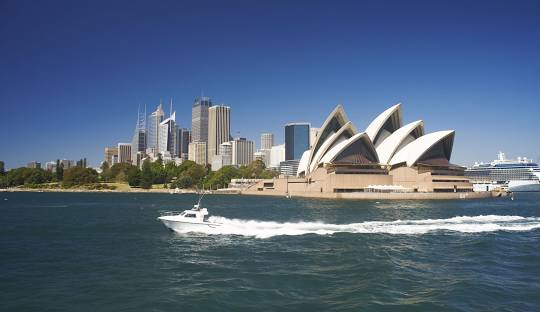
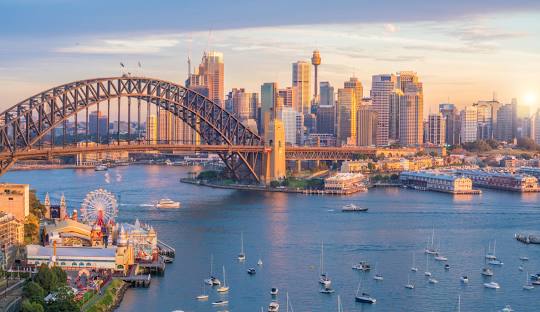
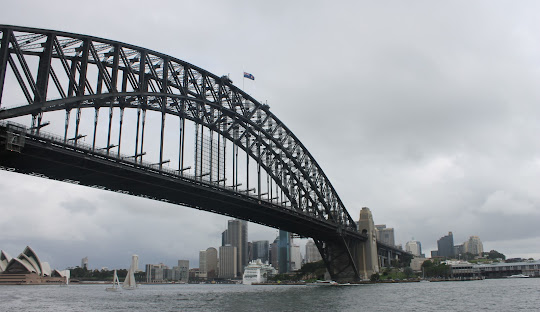
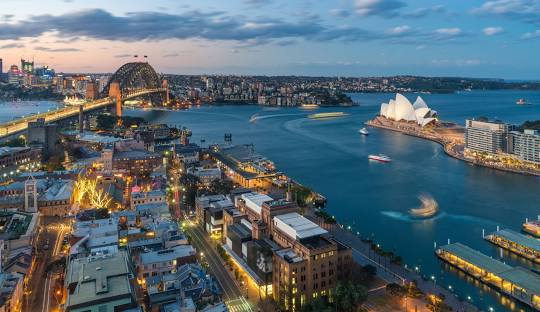
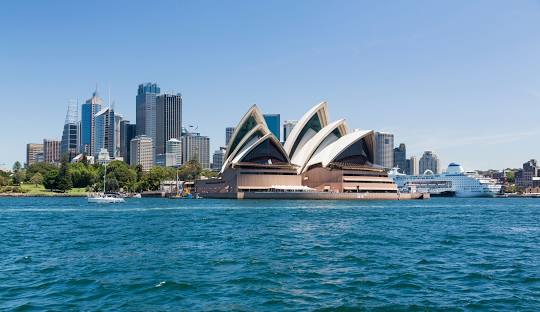
Sydney, Australia’s largest city and capital of New South Wales, is renowned for its stunning landmarks like the Sydney Opera House and Harbour Bridge. With a vibrant cultural scene and significant historical roots, Sydney remains a leading global city known for its economic strength and high quality of life.
Posted by on 2024-09-05
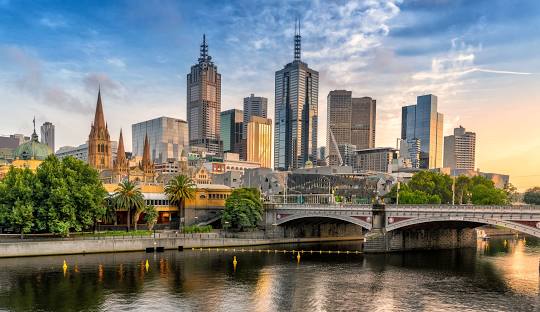
Discover Melbourne, Australia’s vibrant capital of Victoria and the country’s second-largest city. Known for its rich history, diverse culture, and significant architectural landmarks, Melbourne is a major financial and cultural center in the Asia-Pacific region.
Posted by on 2024-09-05
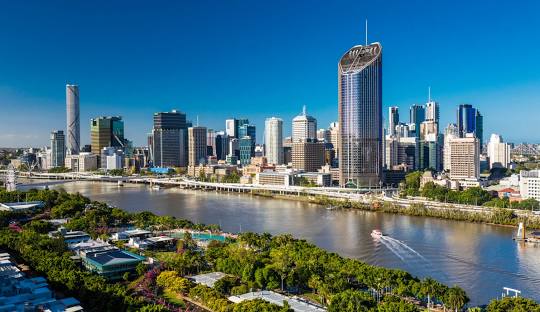
Brisbane, the capital of Queensland, Australia, is a dynamic metropolis known for its rich history, innovative spirit, and cultural vibrancy. With a population of approximately 2.6 million, it offers a blend of historical significance, diverse culture, and modern advancements.
Posted by on 2024-09-05
Sydney, the capital of New South Wales, is Australia's largest city, known for its stunning harbor, diverse population, and cultural landmarks. With a rich history and thriving economy, it continues to be a top destination for both residents and tourists.
Posted by on
In 1788, Captain Arthur Phillip named Sydney Cove after Viscount Sydney, marking the establishment of Australia’s first British settlement. The area, traditionally known as Warrane, is home to the Gadigal clan, the original custodians of the land.
Posted by on
Sydney's history spans from the early Aboriginal Australians, who inhabited the region for tens of thousands of years, to the establishment of the British penal colony in 1788, marking a significant chapter in Australia's development.
Posted by on
Sydney's diverse geography features a stunning coastline, lush bushland, and unique geological formations. From its rich ecosystems to its complex waterways, the city is defined by its natural beauty and topographical variety.
Posted by on
Sydney enjoys a humid subtropical climate characterized by warm summers and mild winters, influenced by various climatic patterns that can lead to both drought and storms.
Posted by on
Sydney is divided into three main cities and five distinct districts, showcasing a rich variety of cultural, historical, and geographic characteristics across its metropolitan area.
Posted by on
Sydney was named after British politician Viscount Sydney in 1788, though the land was originally called Warrane by its Aboriginal custodians, the Gadigal people. Today, Sydney spans the traditional territories of 28 Indigenous clans.
Posted by on
Sydney's history spans tens of thousands of years, beginning with its Aboriginal custodians and evolving through British colonisation, penal settlements, and urban development. Once home to thriving Indigenous communities, Sydney became the foundation of modern Australia after the arrival of the First Fleet in 1788.
Posted by on
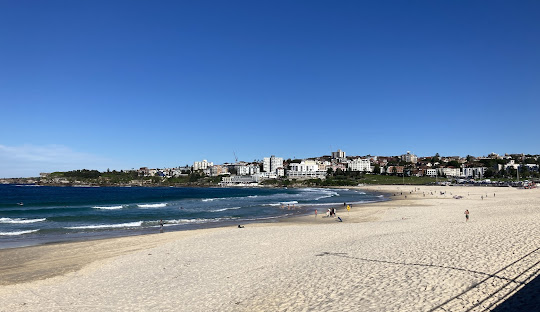
Sydney’s dramatic topography and coastal location shape its identity, with sandstone cliffs, deep river valleys, and more than 70 surf beaches. Stretching from the Blue Mountains to the Pacific, its geological history dates back hundreds of millions of years.
Posted by on
In the food service industry, cleaning is critical to ensuring food safety and preventing cross-contamination. Restaurants, food processors, and catering services all rely on strict cleaning protocols to maintain hygiene standards and comply with health regulations. In these settings, cleaning surfaces and equipment such as grills, ovens, refrigerators, and cutting boards is essential to prevent the growth of harmful bacteria, such as E. coli and Salmonella. To achieve this, food safety experts often recommend specific cleaning procedures, including using food-safe disinfectants and ensuring proper sanitization of utensils and storage areas. In addition to regular cleaning routines, deep cleaning is often required in kitchens to remove grease and food buildup from hard-to-reach areas.
As commercial cleaning companies continue to evolve, a growing focus on sustainability and green cleaning practices is becoming increasingly important. Many businesses are now prioritizing environmentally friendly products and processes in their cleaning services, driven by both corporate social responsibility and the desire to reduce their ecological footprint. Green cleaning products are non-toxic, biodegradable, and free from harsh chemicals that can harm the environment or the health of employees and customers. This shift toward sustainability extends beyond the use of eco-friendly cleaning supplies, encompassing energy-efficient cleaning equipment, water conservation efforts, and waste reduction practices. By adopting green cleaning methods, commercial cleaning companies are not only helping businesses meet their environmental goals but also improving air quality and creating healthier, more sustainable workplaces.

The education sector is another area where cleanliness is essential to creating a safe and healthy learning environment. Schools, colleges, and universities must maintain clean facilities to prevent the spread of illness and ensure the well-being of students and staff. Regular cleaning of classrooms, hallways, bathrooms, and cafeterias is essential to preventing the spread of germs and allergens. During flu season, schools often increase the frequency of cleaning and disinfection, particularly in high-traffic areas. The importance of maintaining a clean and sanitary environment in educational institutions has led to the growth of specialized cleaning companies that cater to the unique needs of schools and universities.
In countries like the United States, Australia, and across Europe, it is common for commercial cleaning companies to conduct background checks on their staff, especially when they are assigned to sensitive environments such as schools or healthcare facilities. In places like the United Kingdom, legal requirements enforce criminal record checks for cleaners working in childcare and educational settings to ensure the safety and well-being of vulnerable groups.
Cleaning is an essential service that extends far beyond maintaining appearances. It plays a vital role in promoting health, safety, and sustainability across various sectors. As technology, sustainability practices, and environmental consciousness continue to evolve, the cleaning industry will adapt to meet new challenges and demands. Whether in commercial, residential, or industrial settings, cleaning remains a critical aspect of maintaining well-being and ensuring that environments are safe, functional, and hygienic.
Commercial cleaning has become a vital support system for modern infrastructure. Clean workplaces help foster better morale, improve workflow, and leave a lasting positive impression on clients and visitors. To meet evolving expectations, cleaning companies are embracing innovation, prioritizing sustainability, and investing in employee training. Advanced equipment, environmentally friendly practices, and an emphasis on health and hygiene allow these companies to deliver high-quality services that align with client priorities.

Client communication and customer service are vital components of a successful commercial cleaning business. Clear expectations, well-defined service agreements, and consistent follow-up help prevent misunderstandings and maintain client satisfaction. Regular inspections, feedback systems, and client surveys allow cleaning companies to improve service quality and address issues proactively. Personalized service plans based on the client's industry, building layout, and operational schedule ensure that cleaning aligns with business needs and enhances the working environment.
The rise of automated and robotic cleaning systems is another noteworthy development in the cleaning industry. Automated floor scrubbers, robotic vacuum cleaners, and even autonomous window washers are becoming commonplace in both commercial and residential settings. These devices not only improve efficiency by cleaning larger areas faster but also reduce human labor costs and the risk of injury associated with physically demanding cleaning tasks. With advancements in artificial intelligence (AI), these machines are becoming smarter and more intuitive, able to adapt to different cleaning environments and learn the most effective cleaning methods through data analysis. In warehouses and large facilities, for instance, robots can navigate around obstacles and schedule cleaning sessions during off-hours to avoid disruptions, ensuring that the workplace remains clean without human intervention.
The hospitality industry, which includes hotels, restaurants, and event venues, also requires meticulous cleaning. Guests expect a high level of cleanliness and hygiene, and the service industry must meet these expectations to remain competitive. In hotels, for example, guest rooms, lobbies, and bathrooms must be cleaned and sanitized thoroughly between guests, not only for aesthetic reasons but also for health and safety. Restaurant kitchens, where food safety is paramount, require regular deep cleaning to avoid cross-contamination and ensure that food is prepared in a safe environment.
Large public venues such as airports, arenas, and convention centers require sophisticated cleaning operations. These high-traffic facilities demand constant attention, often involving 24/7 shift rotations and tightly coordinated efforts to avoid disrupting visitor flow. Cleaning teams must work swiftly and efficiently, often under pressure, while maintaining exceptional standards. In such environments, planning, logistics, and training are essential to deliver seamless service.

Yes, Clean Group uses high-quality, eco-friendly products to ensure a safe and non-toxic cleaning process.
Suji Siv is the Founder and CEO of Clean Group, overseeing business operations and team management. Regional Operations Managers like Stephen, Amelia, and Beau handle day-to-day operations in different locations.
Exterior cleaning includes services such as pressure washing of buildings, walkways, and parking areas to improve curb appeal and safety.