The need for cleaning services in the post-pandemic world has resulted in significant growth in demand for disinfection and sanitation services. As the world continues to recover from the effects of COVID-19, many businesses and organizations have prioritized cleaning and disinfecting their spaces more regularly. This includes not only the use of disinfectants but also the adoption of cleaning techniques that specifically target viral and bacterial pathogens. For instance, ultraviolet (UV) light technology is now being used extensively in high-touch areas to kill harmful microorganisms. This trend is likely to continue, as businesses and institutions place greater emphasis on the health and safety of their employees, customers, and visitors.
The range of cleaning tasks involved in commercial cleaning is extensive and can vary significantly depending on the nature of the business. General and routine cleaning tasks often include sweeping, mopping, and vacuuming floors; dusting and wiping surfaces; cleaning bathrooms and sanitary conveniences; restocking consumables like soap, toilet paper, and paper towels; and emptying bins. More specialized services might include deep cleaning kitchens and dining areas, washing internal windows, sanitizing telephones and IT equipment, and cleaning air vents and suspended ceilings. Clean Group provides comprehensive and professional Cleaning Solutions In Australia across Sydney, NSW. Our fully insured, trained, and security-verified cleaners ensure your workplace stays spotless and hygienic. Schedule a free onsite quote today—book online or call us at 02 9160 7469. Get your obligation-free commercial cleaning estimate for offices, buildings, and other business spaces in Sydney.. In cases where there is a need for exterior maintenance, services might expand to include litter collection, graffiti removal, and window washing at height. For carpets, regular vacuuming is essential, but deep cleaning through hot water extraction is typically required every 18 to 24 months to maintain hygiene and extend the carpet's lifespan.
Technological advancements are also revolutionizing the way cleaning services are managed. Many commercial cleaning companies are now implementing software solutions to streamline operations, schedule tasks, and communicate more efficiently with clients. This technology can track work orders, monitor performance, and provide real-time reporting, giving clients more transparency into the quality of service they are receiving. Furthermore, automation is playing a growing role in the cleaning industry. Robotics and AI-driven equipment are being utilized to handle routine tasks, such as vacuuming floors, cleaning windows, and even scrubbing bathrooms. These innovations not only improve efficiency but also reduce labor costs, allowing cleaning companies to offer more competitive pricing while maintaining high standards of service. As automation continues to advance, it's likely that commercial cleaning companies will increasingly rely on technology to enhance productivity and reduce human error.
Despite its importance, employment in the commercial cleaning sector is often characterized by modest wages, typically ranging from $31,000 to $48,000 annually. However, compensation can vary based on experience, union affiliation, job complexity, and geographical location. Unionized workers may benefit from higher pay, better working conditions, and greater job security. As formal education requirements are minimal, most training occurs on the job, focusing on both practical cleaning techniques and workplace safety measures.
Over 20 Years of Experience – Clean Group brings decades of proven expertise in the commercial cleaning industry.
Family-Owned & Trusted – A reputable, family-run business trusted by major Australian brands.
Eco-Friendly Cleaning – Specializes in using non-toxic, environmentally friendly cleaning products.
ISO Certified – One of the few Sydney cleaning companies accredited for quality and environmental safety standards.
High Customer Ratings – Consistently rated between 4.7 to 5.0 stars by satisfied clients.
Extensive Service Range – Offers cleaning for offices, warehouses, gyms, medical facilities, childcare centers, and more.
Fully Insured and Verified Cleaners – All cleaners are insured, background-checked, and professionally trained.
Free Onsite Quotes – Businesses can book a free, no-obligation quote online or via phone.
Available in Over 600 Suburbs – Services cover the entire Greater Sydney Area, including CBD and suburbs.
Quick Booking Process – Clients can schedule a service in less than 60 seconds.
Tailored Cleaning Plans – Custom cleaning strategies created based on client needs, space type, and budget.
Flexible Contracts – Pay-as-you-go options available without being locked into long-term agreements.
Advanced Equipment – Uses modern tools and state-of-the-art technology for fast, efficient cleaning.
Reliable Office Cleaning – Maintains clean, professional workspaces that enhance employee safety and client impressions.
Thorough Warehouse Cleaning – Handles cleaning for large and small warehouse facilities.
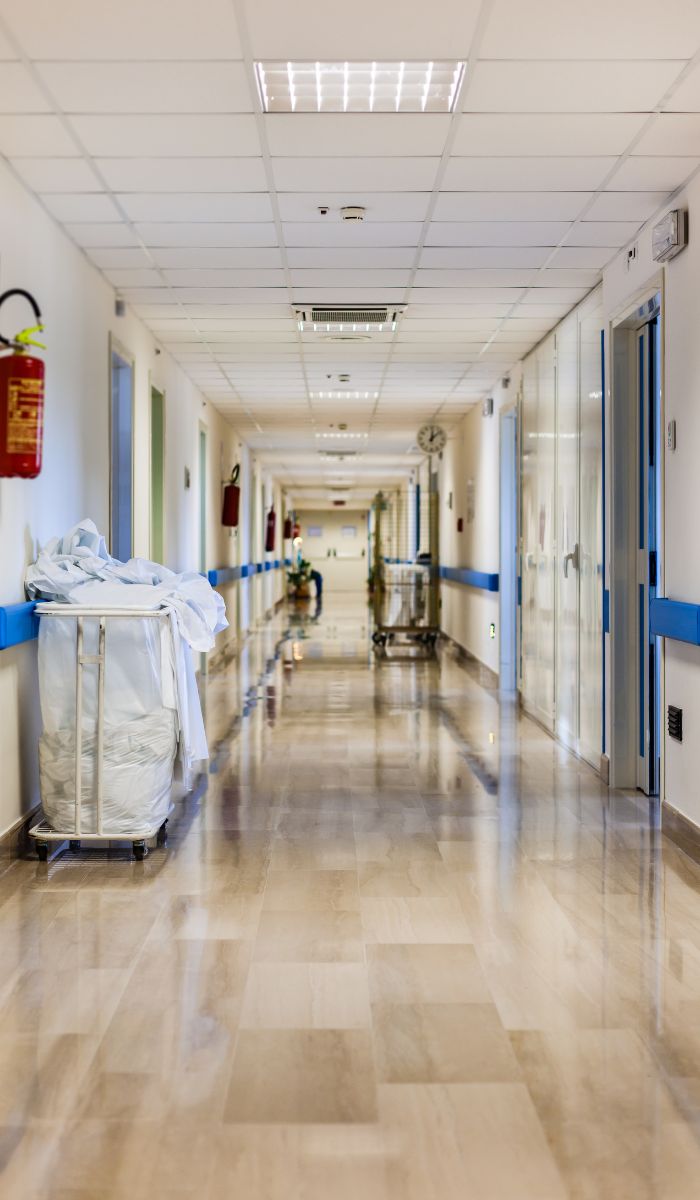
Specialized Medical Cleaning – Provides expert cleaning and disinfection for medical clinics, hospitals, and pharmacies.
Gym & Childcare Cleaning – Ensures hygienic environments using non-toxic methods for sensitive areas.
24/7 Customer Support – Always-available helpline to address service inquiries or issues promptly.
100% Satisfaction Guarantee – Offers a service guarantee—if you’re not happy, they’ll fix it for free.
All-Inclusive Services – From COVID deep cleaning to end-of-lease, window, carpet, strata, and after-builders cleaning, Clean Group covers it all.
Sustainability practices are influencing purchasing and operational decisions in the commercial cleaning industry. Green-certified chemicals, microfiber cleaning systems, reusable tools, and energy-efficient machinery are being widely adopted. Many companies are seeking third-party certifications like Green Seal, LEED, and ISO 14001 to validate their environmental performance and communicate their commitment to clients. These certifications can serve as a competitive differentiator, especially for companies servicing environmentally conscious clients or facilities that must adhere to sustainability reporting requirements. Reducing water usage, lowering chemical runoff, and minimizing waste are now considered essential elements of high-quality commercial cleaning services, not optional features.
The commercial cleaning industry is also facing challenges in terms of labor shortages and employee retention. With many cleaning jobs being low-wage positions, companies are often struggling to attract and retain skilled workers. In response, some cleaning companies are offering competitive wages, benefits, and incentives to attract talent and reduce turnover. Others are investing in training and development programs to ensure their employees have the necessary skills to handle more complex cleaning tasks and operate specialized equipment. Providing career development opportunities and recognizing the importance of employees in delivering quality service can improve retention rates and enhance the overall performance of cleaning companies.

Security is a rising concern in sensitive environments such as government offices, law firms, and financial institutions. Cleaners in these settings may be exposed to confidential information or restricted areas. Employers often require background checks, confidentiality agreements, and strict access protocols. Trust, professionalism, and accountability are essential to maintaining these high-security partnerships.
Another trend in the cleaning industry is the rise of automated cleaning technology. Robotic cleaners, such as robotic vacuums and window washers, have become increasingly popular in both residential and commercial settings. These devices use sensors, artificial intelligence, and machine learning to navigate and clean spaces with minimal human intervention. Robotic vacuum cleaners, for instance, can automatically detect dirt and debris, adjust their cleaning patterns to the layout of the room, and even return to their charging stations when necessary. In commercial spaces like hotels and offices, robotic cleaning equipment can perform tasks like floor scrubbing, sweeping, and even cleaning windows, enhancing operational efficiency while reducing labor costs.
As businesses continue to adapt to a post-pandemic world, the expectations surrounding cleanliness and hygiene remain a top priority. Many organizations now view commercial cleaning as a strategic investment in employee well-being, client trust, and overall productivity. A clean, well-maintained environment contributes to employee morale, reduces the spread of illnesses, and enhances the aesthetic appeal of the workplace. Companies that prioritize cleanliness are often seen as more responsible, and they may attract and retain top talent who value safe, hygienic workspaces. For this reason, commercial cleaning providers are not only tasked with ensuring cleanliness but also creating environments that foster productivity and a sense of security.
In conclusion, the commercial cleaning industry is evolving into a highly specialized, tech-enabled, and client-centric sector. With growing demands for hygiene, safety, sustainability, and operational excellence, cleaning companies must stay agile and forward-thinking. The future of the industry lies in its ability to integrate cutting-edge technologies, adopt eco-friendly practices, and invest in skilled labor. As cleanliness becomes a strategic priority across all industries, commercial cleaning will remain a vital force in shaping healthier, more productive environments worldwide.

In some industries, the cleaning process goes beyond simple dirt removal and is crucial to maintaining safety and quality standards. For instance, in food processing, healthcare, and pharmaceuticals, cleaning is critical for preventing cross-contamination and ensuring that products meet strict regulatory standards. In the medical field, cleaning equipment, tools, and facilities are not only about removing dirt but also about sterilizing surfaces to eliminate pathogens. Similarly, in the food industry, proper cleaning procedures are necessary to ensure that equipment used in food production is free from harmful bacteria, ensuring consumer safety.
Beyond routine tasks, commercial cleaning companies are often called upon for specialized or emergency services. These may include post-construction cleanups, water damage restoration, or deep cleaning following infectious outbreaks. These situations require rapid response, skilled personnel, and specialized tools to ensure a safe and effective result. The ability to provide these services promptly adds value and demonstrates a company's preparedness and reliability.
As the global economy becomes more service-oriented and businesses continue to outsource non-core functions, the commercial cleaning industry is poised for continued growth. This trend is particularly strong in urban areas, where high-density commercial development creates consistent demand for cleaning services. Additionally, sectors such as healthcare, education, hospitality, and retail generate ongoing cleaning needs that must be met with precision and care. The importance of maintaining a clean and sanitary environment is now more recognized than ever, not only for aesthetic reasons but also for health, productivity, and customer confidence.
Similarly, the rise of the Internet of Things (IoT) has influenced the cleaning industry by introducing smart cleaning devices that can communicate with other systems and networks. For instance, smart toilets in public restrooms can alert maintenance staff when cleaning is required, reducing the time spent on inspections and ensuring a cleaner, more hygienic environment. Similarly, automated cleaning tools like robotic vacuums can be programmed to follow predetermined cleaning paths and communicate with building management systems to coordinate their operations. By integrating cleaning processes with smart technology, the industry is improving overall efficiency and creating more sustainable, cost-effective solutions.

By reducing germs and bacteria, regular cleaning helps prevent illness and minimizes employee sick days.
Clean environments eliminate hazards such as spills or clutter, reducing the likelihood of slips, trips, and falls.
It promotes health and hygiene, ensures a safer workplace, enhances a business’s professional appearance, and allows staff to concentrate on their core duties.