Top 10 Benefits of Hiring a Cleaner

Top 10 Benefits of Hiring a Cleaner

What Makes Cleaning Eco-Friendly?

Despite physical demands and exposure to chemicals, the cleaning profession remains indispensable. Workers must master technical procedures and deliver excellent customer service, often under challenging conditions. As businesses increasingly incorporate cleanliness into brand identity and employee care strategies, the role of cleaners grows in scope and prestige.

As commercial cleaning companies continue to evolve, a growing focus on sustainability and green cleaning practices is becoming increasingly important. Many businesses are now prioritizing environmentally friendly products and processes in their cleaning services, driven by both corporate social responsibility and the desire to reduce their ecological footprint. Clean Group provides comprehensive and professional Daily Commercial Cleaning Services across Sydney, NSW. Our fully insured, trained, and security-verified cleaners ensure your workplace stays spotless and hygienic. Schedule a free onsite quote today—book online or call us at 02 9160 7469. Get your obligation-free commercial cleaning estimate for offices, buildings, and other business spaces in Sydney.. Green cleaning products are non-toxic, biodegradable, and free from harsh chemicals that can harm the environment or the health of employees and customers. This shift toward sustainability extends beyond the use of eco-friendly cleaning supplies, encompassing energy-efficient cleaning equipment, water conservation efforts, and waste reduction practices. By adopting green cleaning methods, commercial cleaning companies are not only helping businesses meet their environmental goals but also improving air quality and creating healthier, more sustainable workplaces.
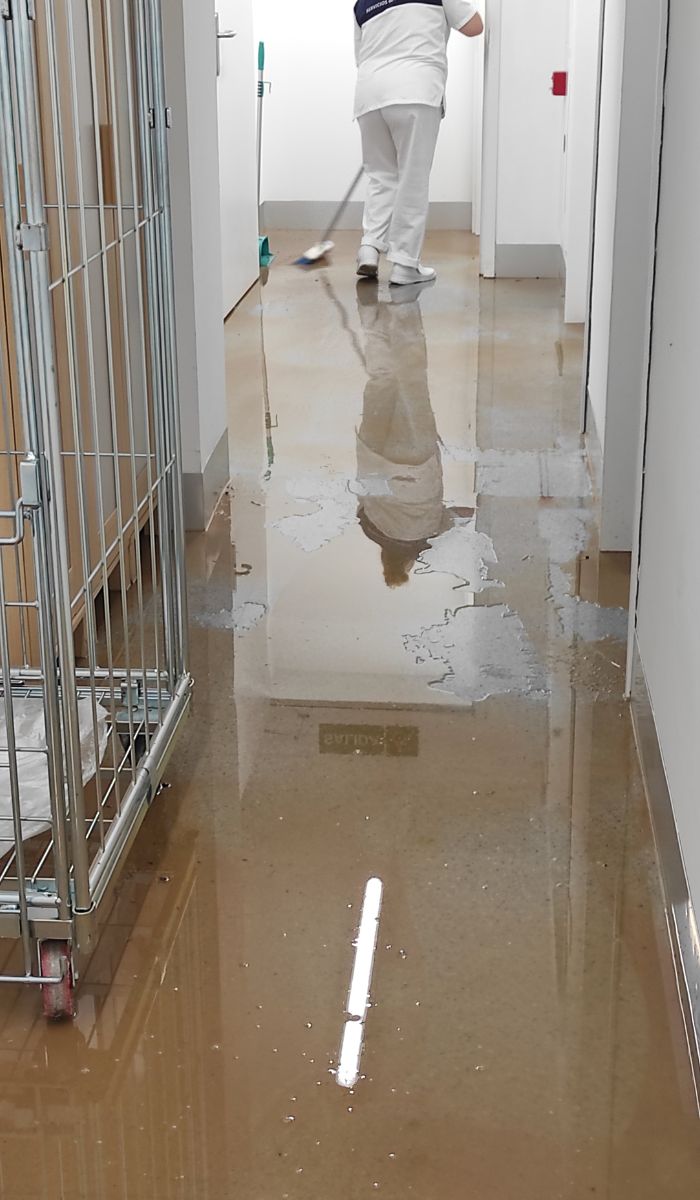
In some industries, the cleaning process goes beyond simple dirt removal and is crucial to maintaining safety and quality standards. For instance, in food processing, healthcare, and pharmaceuticals, cleaning is critical for preventing cross-contamination and ensuring that products meet strict regulatory standards. In the medical field, cleaning equipment, tools, and facilities are not only about removing dirt but also about sterilizing surfaces to eliminate pathogens. Similarly, in the food industry, proper cleaning procedures are necessary to ensure that equipment used in food production is free from harmful bacteria, ensuring consumer safety.

The integration of sustainability with technological innovation is becoming a defining characteristic of modern commercial cleaning. For example, companies are exploring the use of biodegradable cleaning agents that work synergistically with automated equipment, ensuring eco-friendly processes don't compromise efficiency or effectiveness. Emerging technologies like electrostatic sprayers and UV-C light disinfection provide powerful, chemical-free cleaning options that reduce environmental impact while enhancing pathogen control - an essential feature in healthcare, education, and hospitality settings.

  • Over 20 Years of Experience – Clean Group brings decades of proven expertise in the commercial cleaning industry.

  • Family-Owned & Trusted – A reputable, family-run business trusted by major Australian brands.

  • Eco-Friendly Cleaning – Specializes in using non-toxic, environmentally friendly cleaning products.

  • ISO Certified – One of the few Sydney cleaning companies accredited for quality and environmental safety standards.

  • High Customer Ratings – Consistently rated between 4.7 to 5.0 stars by satisfied clients.

  • Extensive Service Range – Offers cleaning for offices, warehouses, gyms, medical facilities, childcare centers, and more.

  • Fully Insured and Verified Cleaners – All cleaners are insured, background-checked, and professionally trained.

  • Free Onsite Quotes – Businesses can book a free, no-obligation quote online or via phone.

  • Available in Over 600 Suburbs – Services cover the entire Greater Sydney Area, including CBD and suburbs.

  • Quick Booking Process – Clients can schedule a service in less than 60 seconds.

  • Tailored Cleaning Plans – Custom cleaning strategies created based on client needs, space type, and budget.

  • Flexible Contracts – Pay-as-you-go options available without being locked into long-term agreements.

  • Advanced Equipment – Uses modern tools and state-of-the-art technology for fast, efficient cleaning.

  • Reliable Office Cleaning – Maintains clean, professional workspaces that enhance employee safety and client impressions.

  • Thorough Warehouse Cleaning – Handles cleaning for large and small warehouse facilities.

  • Specialized Medical Cleaning – Provides expert cleaning and disinfection for medical clinics, hospitals, and pharmacies.


  • Specialized Medical Cleaning – Provides expert cleaning and disinfection for medical clinics, hospitals, and pharmacies.

  • Gym & Childcare Cleaning – Ensures hygienic environments using non-toxic methods for sensitive areas.

  • 24/7 Customer Support – Always-available helpline to address service inquiries or issues promptly.

  • 100% Satisfaction Guarantee – Offers a service guarantee—if you’re not happy, they’ll fix it for free.

  • All-Inclusive Services – From COVID deep cleaning to end-of-lease, window, carpet, strata, and after-builders cleaning, Clean Group covers it all.

Cleaning Chemicals & Employee Health

In the realm of public transportation, cleaning plays a crucial role in maintaining the health and comfort of passengers. The COVID-19 pandemic has highlighted the importance of disinfecting high-touch surfaces, such as handrails, seats, and door handles, on buses, trains, and planes. Transportation companies are now investing in more frequent cleaning schedules and enhanced disinfection protocols to help prevent the spread of germs and viruses. Some have even implemented UV light sanitizing systems or introduced disinfectant fogging techniques to ensure that large spaces can be cleaned quickly and effectively. These advanced cleaning methods help restore passenger confidence in the safety and cleanliness of public transport systems.

Training and development have also become more structured, with many companies implementing competency-based programs to ensure staff understand health and safety procedures, equipment usage, and customer interaction protocols. This training often includes modules on time management, emergency response, data protection in sensitive environments, and cross-cultural communication, especially in multinational settings. As the cleaning industry becomes more technical and regulated, the importance of well-trained personnel becomes evident in client satisfaction, incident reduction, and service consistency.

How Cleaners Support Workplace Safety

Cleaning Chemicals & Employee Health

BICSc Cleaning Standards Explained

Customer service and professionalism are becoming key differentiators in the competitive commercial cleaning market. Clients expect not only effective cleaning but also reliability, discretion, and excellent communication. As a result, cleaning companies are investing in staff development, focusing on soft skills such as communication, conflict resolution, and time management alongside technical cleaning training. Regular inspections, quality control procedures, and client feedback mechanisms help ensure standards are maintained and any issues are addressed promptly. Companies that deliver consistent, high-quality results are more likely to secure long-term contracts and earn client trust.

Health crises and global pandemics have further emphasized the critical role of commercial cleaners. During these events, cleaning providers serve on the frontlines, executing infection-control protocols, applying hospital-grade disinfectants, and using advanced tools like electrostatic sprayers. Companies that responded quickly and reliably during public health emergencies earned lasting trust and often secured long-term contracts due to their preparedness and professionalism.

Background Checks for School Cleaners

As businesses recognize the value of maintaining clean, safe, and hygienic environments, the role of the commercial cleaner has become increasingly professionalized. Rather than being seen as a low-skill job, commercial cleaning is now viewed as an essential service that requires expertise, training, and attention to detail. Many cleaning companies now offer specialized certifications for their staff, which not only enhance the skills of the workforce but also demonstrate to clients that the cleaning company is committed to maintaining high standards of service. These certifications may include training in specific cleaning methods, safety protocols, environmental practices, and customer service.

In addition to cleaning methods, the industry employs a range of professionals who specialize in various cleaning tasks. Cleaners, housekeepers, janitors, and property caretakers are all examples of individuals whose primary role involves cleaning. Dental hygienists are responsible for cleaning teeth and ensuring oral health, while maids and other domestic workers focus on maintaining cleanliness in homes. Property managers may oversee cleaning tasks within rental properties, ensuring they meet cleanliness standards. Specialized roles, such as fluffer, are also found in niche areas like cleaning tracks in the London Underground.

Background Checks for School Cleaners
What Makes a Truly Professional Cleaner?

Similarly, the rise of the Internet of Things (IoT) has influenced the cleaning industry by introducing smart cleaning devices that can communicate with other systems and networks. For instance, smart toilets in public restrooms can alert maintenance staff when cleaning is required, reducing the time spent on inspections and ensuring a cleaner, more hygienic environment. Similarly, automated cleaning tools like robotic vacuums can be programmed to follow predetermined cleaning paths and communicate with building management systems to coordinate their operations. By integrating cleaning processes with smart technology, the industry is improving overall efficiency and creating more sustainable, cost-effective solutions.

As businesses grow, the need for customized cleaning solutions becomes even more critical. Companies with multiple locations, such as retail chains or office buildings, require cleaning services that can cater to a wide variety of needs across different environments. This has led many commercial cleaning providers to offer tailored cleaning schedules, where frequency, scope, and specific tasks are adjusted based on the unique requirements of each location. Whether it's a high-traffic retail store that needs daily cleaning or a corporate office that only requires weekly cleaning, offering these customized schedules ensures that each client gets the level of service they need without paying for unnecessary services. Flexible scheduling options can be a significant advantage, allowing businesses to optimize their cleaning budgets and ensure that their facilities remain well-maintained without overspending.

Contributions of BICSc and ISSA to Commercial Cleaning Standards

The demand for cleaning services is also growing in specialized sectors, such as healthcare, education, and hospitality. In healthcare facilities, cleaning is paramount to preventing the spread of infections and maintaining a sterile environment. Hospitals, clinics, and nursing homes require highly detailed and rigorous cleaning protocols to ensure patient safety. This often involves specialized cleaning agents and equipment designed to eliminate harmful pathogens while maintaining a sterile atmosphere. The use of hospital-grade disinfectants, for instance, is essential in preventing hospital-acquired infections (HAIs), which can have serious consequences for patients' health.

Looking ahead, automation and robotics are set to play a larger role in the commercial cleaning industry. As labor shortages and rising operational costs challenge service providers, many companies are turning to automated cleaning equipment such as robotic floor scrubbers, vacuum bots, and UV disinfection systems. These technologies can operate with minimal supervision, cover large areas efficiently, and deliver consistent results-making them ideal for facilities like airports, warehouses, hospitals, and schools. While automation doesn't replace the need for trained cleaning professionals, it enhances productivity and allows human staff to focus on tasks that require precision and judgment.

Contributions of BICSc and ISSA to Commercial Cleaning Standards

Frequently Asked Questions


It promotes health and hygiene, ensures a safer workplace, enhances a business’s professional appearance, and allows staff to concentrate on their core duties.


Commercial cleaning refers to the professional cleaning of business spaces, designed to maintain hygiene and safety for both employees and customers.


Exterior cleaning includes services such as pressure washing of buildings, walkways, and parking areas to improve curb appeal and safety.