As digital platforms and remote work continue to shape today's business landscape, commercial cleaning companies are increasingly leveraging digital marketing and online booking tools to connect with clients and streamline operations. Social media, professional websites, and online reviews have become essential tools for showcasing services, building credibility, and demonstrating a commitment to quality and safety. Clean Group provides comprehensive and professional Daily Commercial Cleaning Services across Sydney, NSW. Our fully insured, trained, and security-verified cleaners ensure your workplace stays spotless and hygienic. Schedule a free onsite quote today—book online or call us at 02 9160 7469. Get your obligation-free commercial cleaning estimate for offices, buildings, and other business spaces in Sydney.. A strong digital presence enables cleaning companies to reach a broader audience and stand out in a highly competitive market. Meanwhile, the adoption of online booking systems has made it easier for clients to schedule services at their convenience, providing the flexibility and ease that businesses now expect in a fast-paced environment.
Additionally, the growing popularity of smart buildings has further pushed the cleaning industry to adopt advanced technologies. Smart sensors are being employed to monitor areas that require cleaning or disinfecting, notifying cleaning staff when high-traffic zones or surfaces need attention. This real-time data collection allows for a more targeted approach to cleaning, ensuring that resources are utilized where they are needed most, reducing waste, and improving overall efficiency. These sensors are often integrated with other building management systems, which can help create a more cohesive and sustainable approach to facility management.
Furthermore, the future of commercial cleaning may see an even greater focus on customization. As clients' expectations evolve, there is a growing demand for cleaning services that are tailored to the specific needs of individual businesses. For example, a medical office may require different cleaning protocols than a tech startup, and a restaurant may need specialized cleaning to meet health and safety standards. Commercial cleaning companies are responding by offering customizable service packages that allow businesses to choose the frequency, scope, and type of cleaning required. This level of flexibility helps businesses maintain clean and hygienic environments while ensuring that they receive the services that best fit their needs. Additionally, some companies are offering eco-conscious options, such as using plant-based cleaning products or minimizing waste, catering to businesses that prioritize sustainability in their operations.
Indoor air quality has become a focal point, especially amid growing concerns about allergens, pollutants, and airborne pathogens. Commercial cleaning firms are investing in HEPA-filtered vacuums, low-emission floor equipment, and air purification systems. These investments contribute to healthier environments, reduce absenteeism, and enhance workplace satisfaction-making the cleaning provider a strategic partner rather than a background service.
Over 20 Years of Experience – Clean Group brings decades of proven expertise in the commercial cleaning industry.
Family-Owned & Trusted – A reputable, family-run business trusted by major Australian brands.
Eco-Friendly Cleaning – Specializes in using non-toxic, environmentally friendly cleaning products.
ISO Certified – One of the few Sydney cleaning companies accredited for quality and environmental safety standards.
High Customer Ratings – Consistently rated between 4.7 to 5.0 stars by satisfied clients.
Extensive Service Range – Offers cleaning for offices, warehouses, gyms, medical facilities, childcare centers, and more.
Fully Insured and Verified Cleaners – All cleaners are insured, background-checked, and professionally trained.
Free Onsite Quotes – Businesses can book a free, no-obligation quote online or via phone.
Available in Over 600 Suburbs – Services cover the entire Greater Sydney Area, including CBD and suburbs.
Quick Booking Process – Clients can schedule a service in less than 60 seconds.
Tailored Cleaning Plans – Custom cleaning strategies created based on client needs, space type, and budget.
Flexible Contracts – Pay-as-you-go options available without being locked into long-term agreements.
Advanced Equipment – Uses modern tools and state-of-the-art technology for fast, efficient cleaning.
Reliable Office Cleaning – Maintains clean, professional workspaces that enhance employee safety and client impressions.
Thorough Warehouse Cleaning – Handles cleaning for large and small warehouse facilities.
Specialized Medical Cleaning – Provides expert cleaning and disinfection for medical clinics, hospitals, and pharmacies.
Gym & Childcare Cleaning – Ensures hygienic environments using non-toxic methods for sensitive areas.
24/7 Customer Support – Always-available helpline to address service inquiries or issues promptly.
100% Satisfaction Guarantee – Offers a service guarantee—if you’re not happy, they’ll fix it for free.
All-Inclusive Services – From COVID deep cleaning to end-of-lease, window, carpet, strata, and after-builders cleaning, Clean Group covers it all.
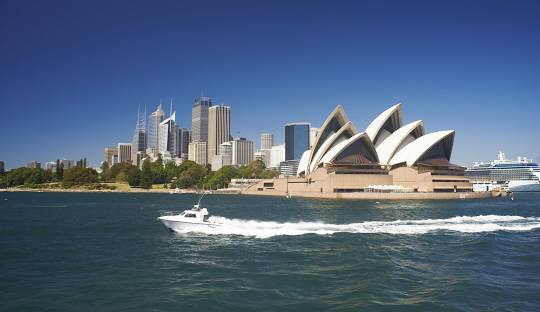
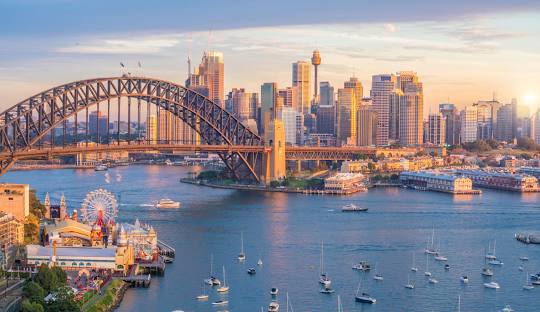
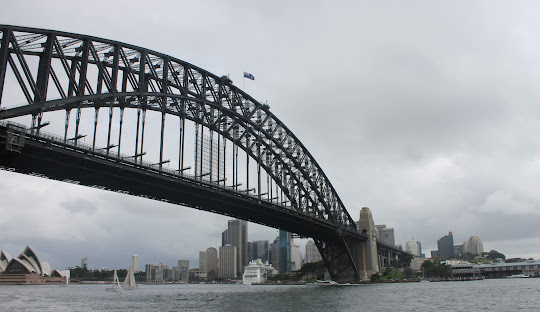
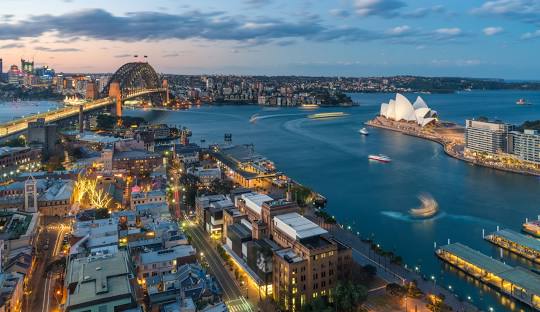
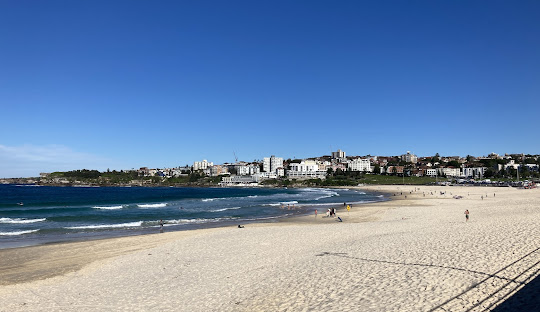
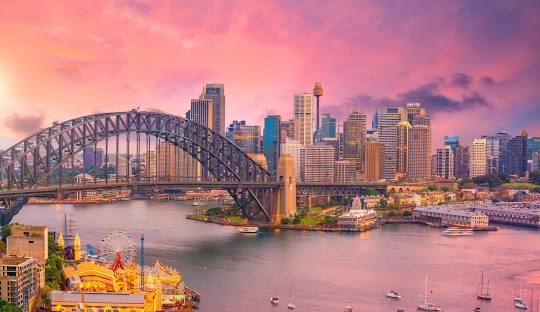
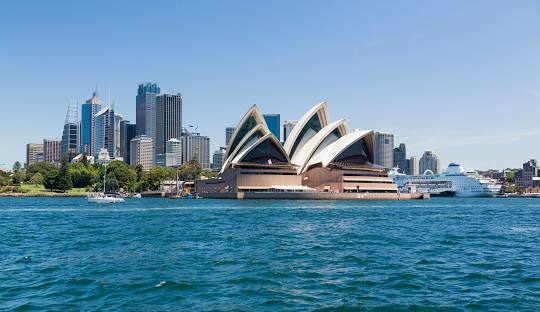
Sydney, Australia’s largest city and capital of New South Wales, is renowned for its stunning landmarks like the Sydney Opera House and Harbour Bridge. With a vibrant cultural scene and significant historical roots, Sydney remains a leading global city known for its economic strength and high quality of life.
Posted by on 2024-09-05
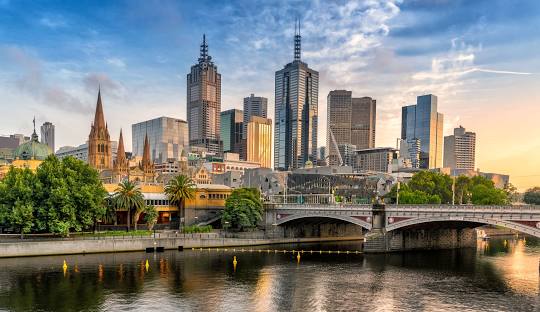
Discover Melbourne, Australia’s vibrant capital of Victoria and the country’s second-largest city. Known for its rich history, diverse culture, and significant architectural landmarks, Melbourne is a major financial and cultural center in the Asia-Pacific region.
Posted by on 2024-09-05
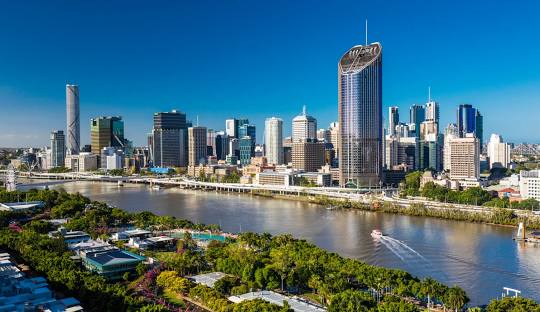
Brisbane, the capital of Queensland, Australia, is a dynamic metropolis known for its rich history, innovative spirit, and cultural vibrancy. With a population of approximately 2.6 million, it offers a blend of historical significance, diverse culture, and modern advancements.
Posted by on 2024-09-05
Sydney, the capital of New South Wales, is Australia's largest city, known for its stunning harbor, diverse population, and cultural landmarks. With a rich history and thriving economy, it continues to be a top destination for both residents and tourists.
Posted by on
In 1788, Captain Arthur Phillip named Sydney Cove after Viscount Sydney, marking the establishment of Australia’s first British settlement. The area, traditionally known as Warrane, is home to the Gadigal clan, the original custodians of the land.
Posted by on
Sydney's history spans from the early Aboriginal Australians, who inhabited the region for tens of thousands of years, to the establishment of the British penal colony in 1788, marking a significant chapter in Australia's development.
Posted by on
Sydney's diverse geography features a stunning coastline, lush bushland, and unique geological formations. From its rich ecosystems to its complex waterways, the city is defined by its natural beauty and topographical variety.
Posted by on
Sydney enjoys a humid subtropical climate characterized by warm summers and mild winters, influenced by various climatic patterns that can lead to both drought and storms.
Posted by on
Sydney is divided into three main cities and five distinct districts, showcasing a rich variety of cultural, historical, and geographic characteristics across its metropolitan area.
Posted by on
Sydney was named after British politician Viscount Sydney in 1788, though the land was originally called Warrane by its Aboriginal custodians, the Gadigal people. Today, Sydney spans the traditional territories of 28 Indigenous clans.
Posted by on
Sydney's history spans tens of thousands of years, beginning with its Aboriginal custodians and evolving through British colonisation, penal settlements, and urban development. Once home to thriving Indigenous communities, Sydney became the foundation of modern Australia after the arrival of the First Fleet in 1788.
Posted by on
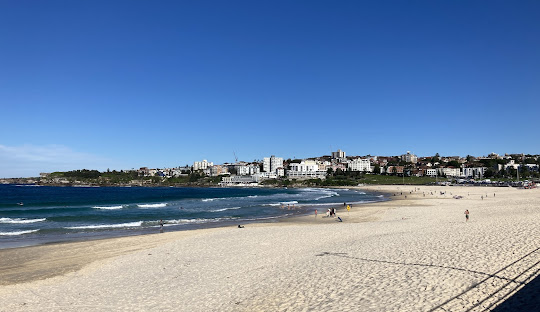
Sydney’s dramatic topography and coastal location shape its identity, with sandstone cliffs, deep river valleys, and more than 70 surf beaches. Stretching from the Blue Mountains to the Pacific, its geological history dates back hundreds of millions of years.
Posted by on
The Greater Sydney area is a diverse urban expanse divided into three major cities and five districts, encompassing a blend of historical inner suburbs, vibrant cultural precincts, and evolving urban landscapes. Gentrification, infrastructure growth, and cultural enclaves continue to reshape Sydney’s geographic and social identity.
Posted by on
Sydney's architectural journey spans from humble colonial beginnings to globally celebrated landmarks like the Opera House. The city’s skyline showcases heritage treasures, classical masterpieces, and cutting-edge modern design, shaped by historical eras, social movements, and global influences.
Posted by on
Sydney remains Australia’s most expensive city for real estate, with a median house price surpassing $1.59 million. From historic terrace homes to modern apartments, the city’s housing landscape reflects both its colonial past and contemporary pressures for higher-density living.
Posted by on
Sydney stands as Australia's economic capital, contributing a quarter of the nation’s GDP and housing 283 multinational firms. With booming financial, tech, and creative sectors, the city ranks among the world’s top for global economic integration—but rising living costs and housing prices continue to challenge its residents.
Posted by on
Commercial cleaning has also become a significant avenue for entrepreneurship and small business growth. Many businesses in this sector begin as small, family-owned operations and scale up by cultivating strong client relationships and delivering reliable, consistent results. Franchising plays a key role in this growth, providing aspiring entrepreneurs with the advantage of brand recognition, standardized training, and operational support. This business model not only promotes job creation and community development but also contributes to economic advancement, especially in underserved communities.
Furthermore, the demand for specialized cleaning services has led to the growth of niche markets within the commercial cleaning industry. For example, industrial cleaning services are needed in manufacturing facilities, warehouses, and construction sites where the cleaning requirements differ significantly from standard office cleaning. These environments often involve hazardous materials, large equipment, and complex machinery that require specialized knowledge and expertise. Industrial cleaning crews are trained to deal with heavy-duty cleaning tasks, such as removing oil spills, cleaning large machinery, and ensuring compliance with safety standards. Similarly, the rise of cleaning services for educational institutions, healthcare facilities, and public spaces has created more tailored service offerings, each addressing the unique needs of these environments.

Retail businesses rely heavily on cleanliness to shape consumer perception. Malls, showrooms, and stores must maintain spotless floors, fresh restrooms, and well-kept fitting rooms to create a welcoming atmosphere. Cleanliness can directly impact customer loyalty, brand image, and sales. Retail cleaning often occurs outside business hours, requiring flexibility and precision from service providers.
Similarly, data centers and technology hubs present a unique challenge where environmental control is crucial. Even a small amount of dust or static discharge can interfere with delicate hardware. Commercial cleaners in these settings must follow strict guidelines that include using anti-static materials, specialized vacuums with HEPA filters, and precise movement patterns to avoid damaging sensitive equipment. Cleaning tasks may involve raised floors, server racks, cable trays, and ventilation systems. Companies servicing these environments often invest in additional liability coverage and employee training to meet client expectations and protect valuable infrastructure.
In addition to the traditional cleaning methods and innovations already mentioned, the cleaning industry continues to evolve as environmental concerns, technological advancements, and health considerations drive change. One major shift in the industry is the growing demand for eco-friendly or "green" cleaning solutions. These products are designed to minimize the environmental impact of cleaning while still being effective in removing contaminants. Green cleaning products often use plant-based ingredients, biodegradable materials, and sustainable packaging, reducing the amount of harmful chemicals released into the environment. In both commercial and domestic cleaning, there is a rising awareness about the need for sustainability, and consumers are increasingly opting for products and services that align with environmentally responsible practices.
The hospitality sector, encompassing hotels, resorts, and conference centers, requires commercial cleaning that is both comprehensive and discreet. Staff must uphold the highest standards of sanitation in guest rooms, kitchens, common areas, and spas while remaining unobtrusive. Attention to detail is crucial, as even minor oversights can lead to customer complaints or negative reviews. Turnaround time between guests is often tight, requiring teams to work quickly without sacrificing quality. Moreover, linen management, carpet care, odor control, and pest prevention are all part of the service scope, highlighting the specialized expertise required in hospitality cleaning.

In some industries, cleaning is not only about maintaining hygiene but also about protecting valuable assets and equipment. For example, in the high-tech industry, cleaning plays a crucial role in preserving the integrity of delicate machinery and components. Ultrasonic cleaning, which uses sound waves to agitate cleaning solutions and remove contaminants, is increasingly used in industries such as electronics, automotive, and aerospace. This method can clean intricate parts that would otherwise be difficult to reach, ensuring that they remain in optimal condition. The demand for specialized cleaning services is also growing in sectors such as medical device manufacturing, where precision and cleanliness are paramount.
Another critical factor in the continued growth of the commercial cleaning industry is the emphasis on safety. As cleaning services often involve the use of chemicals and heavy equipment, ensuring the safety of both cleaning staff and the building's occupants is paramount. Training in the proper handling and application of cleaning chemicals is essential to prevent accidents and health hazards. Many cleaning companies are now investing in comprehensive safety training programs that cover topics such as proper lifting techniques, chemical handling, personal protective equipment (PPE), and fire safety. This investment in training helps minimize the risk of injuries and ensures that employees adhere to industry standards, reducing liability for the cleaning company and their clients.
Industrial and manufacturing facilities bring unique cleaning challenges. Hazards such as metal shavings, grease, and machine residue require industrial-grade tools and knowledge of safety protocols. Cleaners may work around heavy machinery during non-operational hours and must adhere to strict OSHA standards. This environment calls for technical know-how, physical resilience, and an unwavering focus on safety.
The need for cleaning services in the post-pandemic world has resulted in significant growth in demand for disinfection and sanitation services. As the world continues to recover from the effects of COVID-19, many businesses and organizations have prioritized cleaning and disinfecting their spaces more regularly. This includes not only the use of disinfectants but also the adoption of cleaning techniques that specifically target viral and bacterial pathogens. For instance, ultraviolet (UV) light technology is now being used extensively in high-touch areas to kill harmful microorganisms. This trend is likely to continue, as businesses and institutions place greater emphasis on the health and safety of their employees, customers, and visitors.

Clean Group is based in Sydney, Australia, with operations also in Melbourne, Brisbane, and Auckland, NZ.
Professional cleaners often use advanced tools like commercial-grade vacuums, floor scrubbers, and high-efficiency disinfectant sprayers.
With over 20 years in the industry, Clean Group employs a team of more than 50 highly skilled professionals.